
Central Vacuum Systems vs. Traditional: Electrical Pros and Cons
The Nelson Guide to Central Vacuums: Electrical Pros, Cons, and Installation
Imagine walking through your brand-new home in Richmond or overlooking the bay in Tahunanui. The air is fresh, the floors are spotless, and there isn’t a heavy, noisy machine bumping into your skirting boards. This is the reality for many Nelson homeowners who move away from the traditional upright vacuum and choose a built-in system. When you are building from scratch, you have a golden opportunity to future-proof your home. But how does a central vacuum system really stack up against a high-end upright, and what does it mean for your home’s electrical footprint?
At Mako Electrical, we see many families wrestling with this choice during the design phase. A vacuum isn’t just a cleaning tool anymore; it is a built-in appliance that requires careful planning. Choosing between a central vacuum system vs upright involves more than just suction power. It is about how the system integrates into your walls, how much power it pulls from your switchboard, and how it improves your daily life in the long run.
Key Takeaways
Central vacuums offer much stronger suction and quieter operation than uprights.
Installation is most cost-effective during the new build pre-wire stage.
A dedicated electrical circuit is required for the main power unit.
Central systems improve indoor air quality by exhausting dust outside.
They add long-term value and high-end appeal to Nelson properties.
The Real Difference: Central Vacuum System vs Upright
To understand why people are making the switch, we have to look at how these two tools operate. A traditional upright or stick vacuum is a self-contained unit. It carries its motor, filter, and dust bag with it. This makes it portable, but it also means it is heavy and often loud. More importantly, even the best uprights can exhaust tiny dust particles back into the room you are cleaning. This can be a real headache for families in the Nelson Tasman region who struggle with seasonal allergies.
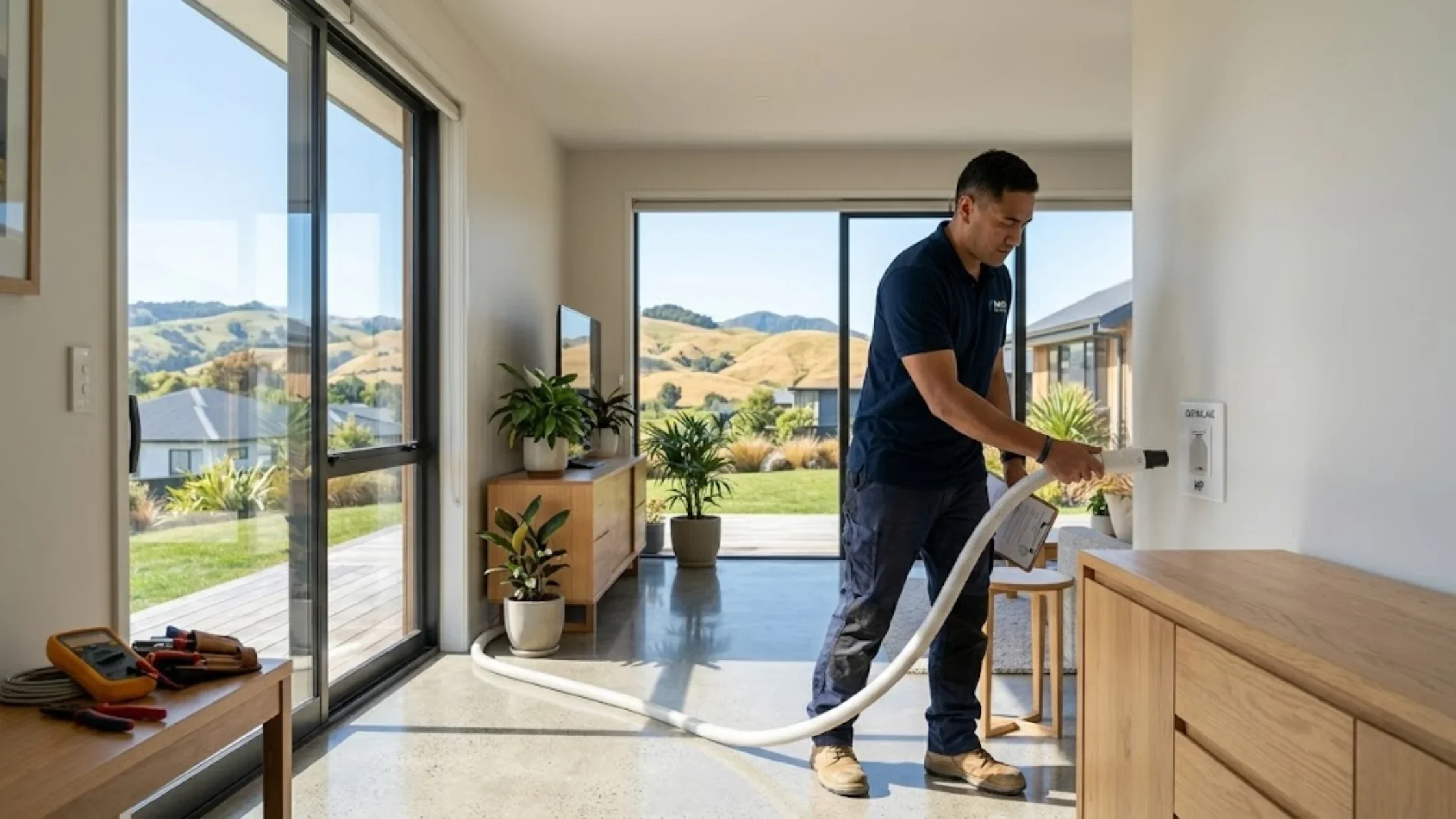
In contrast, a central vacuum system is a permanent fixture of your home. The powerful motor and collection canister are usually tucked away in the garage or a utility room. You simply carry a lightweight hose from room to room and plug it into wall inlets. Because the motor stays in the garage, the system is incredibly quiet inside the house. Because the air is exhausted outside or through a high-grade filter in the garage, the air inside your living room stays much cleaner.
Understanding the Electrical Requirements
From an electrical perspective, a central vacuum is a significant addition to your home. Unlike an upright that you plug into any standard wall socket, a built-in system needs its own dedicated circuit. At Mako Electrical, we ensure that your switchboard is designed to handle the surge of a powerful central motor. These motors are much larger than what you find in a portable vacuum, which is why they offer superior suction.
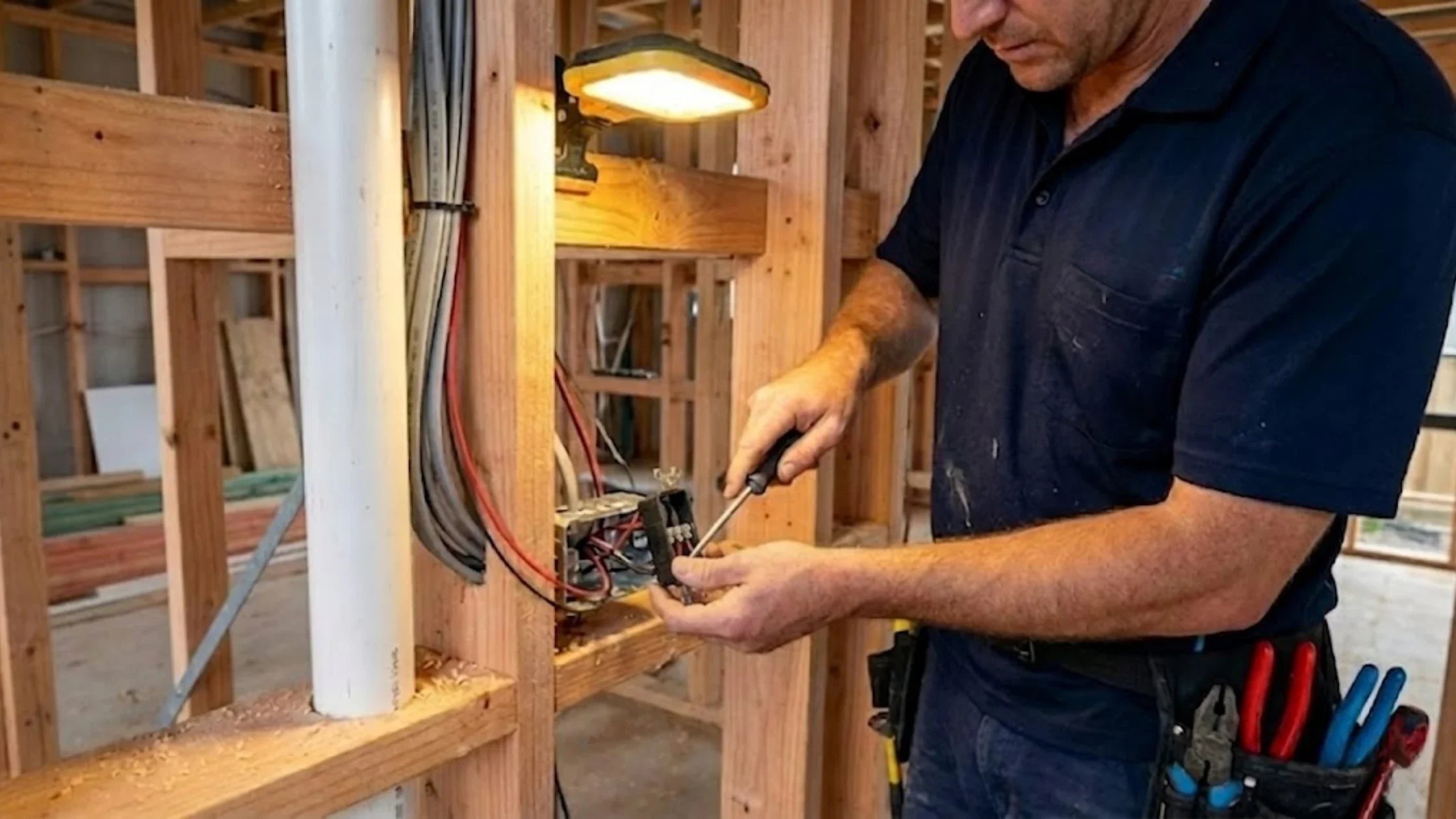
The installation also involves a network of low-voltage wiring. This wiring runs alongside the PVC piping hidden in your walls. When you plug the hose into the wall inlet, these wires send a signal to the main unit in the garage to turn on instantly. This smart integration is what makes the system so convenient. However, it means that the best time to install a central vacuum is during the pre-wire stage of a new build. Trying to retro-fit these pipes and wires into an existing two-storey home can be much more complex and costly.
Pros and Cons of the Electrical Footprint
Every home system has trade-offs. The main con of a central vacuum is the initial setup. You need a professional team to plan the layout of the inlets so that the hose reaches every corner without being too long. You also need to account for the space in your garage for the power unit. However, the pros often outweigh these concerns for Nelson locals. A central vacuum system typically lasts 20 years or more, whereas a portable upright might need replacing every five years.
From a power usage standpoint, while the central motor is more powerful, you often spend less time vacuuming because the suction is so efficient. This can lead to a smaller electrical footprint over the month compared to struggling with an underpowered stick vacuum that needs constant charging or multiple passes over the same rug. Furthermore, having a built-in system is a massive plus for your property value. In the competitive Nelson real estate market, New Build Electrical Services that include premium features like central vacs really stand out to buyers.
Why Professional Installation Matters
You might be tempted to look at a DIY kit, but in New Zealand, any permanent wiring needs to meet strict safety standards. Our team at Mako Electrical handles the delicate balance of high-power requirements for the motor and the low-voltage communication lines for the inlets. We also make sure the unit is placed in a spot where it won't overheat and is easy for you to maintain.
When we work on a new build in Tasman, we coordinate with the builders to ensure the vacuum pipes don't interfere with other electrical runs or plumbing. It is about creating a seamless home environment. We want you to enjoy the quiet, powerful cleaning of a central vac without ever worrying about a tripped breaker or a faulty connection.
Creating a Healthier Nelson Home
Beyond the wires and the suction, the biggest desire for most of our clients is a healthy home. Because central vacuums vent the dust and allergens completely out of the living area, they are often recommended by health experts for people with asthma. In our beautiful, breezy coastal climate, we still deal with pollen and dust. A central vacuum system ensures that once that dust is sucked up, it is gone for good. It doesn't just get moved around the room.
If you are currently planning a new build or a major renovation in Nelson or Tasman, now is the time to think about your cleaning strategy. Don't wait until the walls are closed up to wish you had installed a built-in system. It is an investment in your home’s value, your family’s health, and your own peace of mind.
Take the Next Step with Mako Electrical
Are you ready to make cleaning the easiest part of your day? Whether you are just starting your architectural plans or you are ready to pre-wire your new home, Mako Electrical is here to help. We specialise in premium New Build Electrical Services across the Nelson Tasman region. From switchboard upgrades to Smart Home Integration, we ensure your home is powered for the future.
Contact Mako Electrical today for a friendly chat about your project. Let’s build a cleaner, smarter home together.
Frequently Asked Questions
-
Yes, in terms of longevity and air quality. While a high-end upright is portable, a central vacuum has a motor up to five times more powerful. It doesn't recirculate dust into your room, making it much better for allergy sufferers. It also lasts decades, whereas uprights often fail after a few years.
-
The cost varies depending on the size of your home and the number of inlets. For a new build in Nelson, you are looking at an investment that covers the power unit, PVC piping, and professional electrical installation. It is best to get a quote during the design phase to accurately budget for the electrical requirements.
-
It is possible, but much easier in a single-storey home with under-floor or ceiling access. For two-storey homes, it is significantly more difficult to run the pipes and low-voltage wiring. This is why we highly recommend planning for it during a new build or a back-to-the-studs renovation.
-
A central vacuum unit usually requires a dedicated 10-amp or 15-amp circuit, depending on the motor size. This prevents the vacuum from tripping other breakers in your home. You also need low-voltage signal wiring that connects the wall inlets to the main power unit to trigger the start/stop function.
-
While the motor is powerful, they are actually quite efficient because they clean faster. You don't have to go over the same spot multiple times. Since they are used for shorter bursts than a weak portable vacuum, the overall impact on your Nelson power bill is usually very minimal.
-
Most systems only need to be emptied two to three times a year. The collection canisters are much larger than the small bags or bins found in upright vacuums. This set and forget nature is one of the biggest reasons Nelson homeowners love them for their new builds.
-
The part you use inside the house is very quiet—you can even have a conversation or listen to music while vacuuming. The noisy motor is located in the garage or outside. This is a huge advantage over upright vacuums, where the loud motor is right at your feet.
-
Absolutely. It is considered a premium built-in appliance. In the Nelson real estate market, features that promote health, convenience, and modern technology are highly attractive to buyers, often providing a great return on investment when it comes time to sell.
-
The pipes are designed so that if something can fit through the inlet, it will make it to the canister. However, if a blockage does occur, professional electricians like Mako Electrical can use specialised tools to clear the line. Proper installation with sweep joins significantly reduces this risk.
-
Many modern Nelson homes use both! You can have VacPan automatic dustpans installed in your kitchen skirting boards. You just sweep crumbs toward them, and the central vacuum whisks them away. A central vacuum handles the deep cleaning, while a robot can do the daily surface maintenance.
