
Troubleshooting Power Loss: What to Check Before You Panic
Why You Shouldn’t Panic (But Act Quickly)
Picture this: You’re in Nelson, relaxing after a long day, when suddenly the lights flicker … and then go out. Your phone charger stops, the fridge hums no more — and panic starts to set in.
Before you call an electrician in a panic, take a deep breath. Not all power losses are emergencies. Some problems you can safely check yourself — and by doing so, you can potentially avoid unnecessary callouts, save money, and make sure when you do call in help, the electrician comes prepared.
At Mako Electrical, based right here in the Nelson Tasman region, we know how stressful sudden electrical issues can feel. But we also know that many times, a simple reset or inspection can get things back on track in minutes — or help us diagnose the real underlying issue faster when we come out to help. That’s why we put this guide together: to empower you with the first steps to take.
What to Check Before Calling for Help
Let’s walk through some easy, safe checks you can do at home — even before picking up the phone to call Mako Electrical.
a) Check the Circuit Breaker Panel
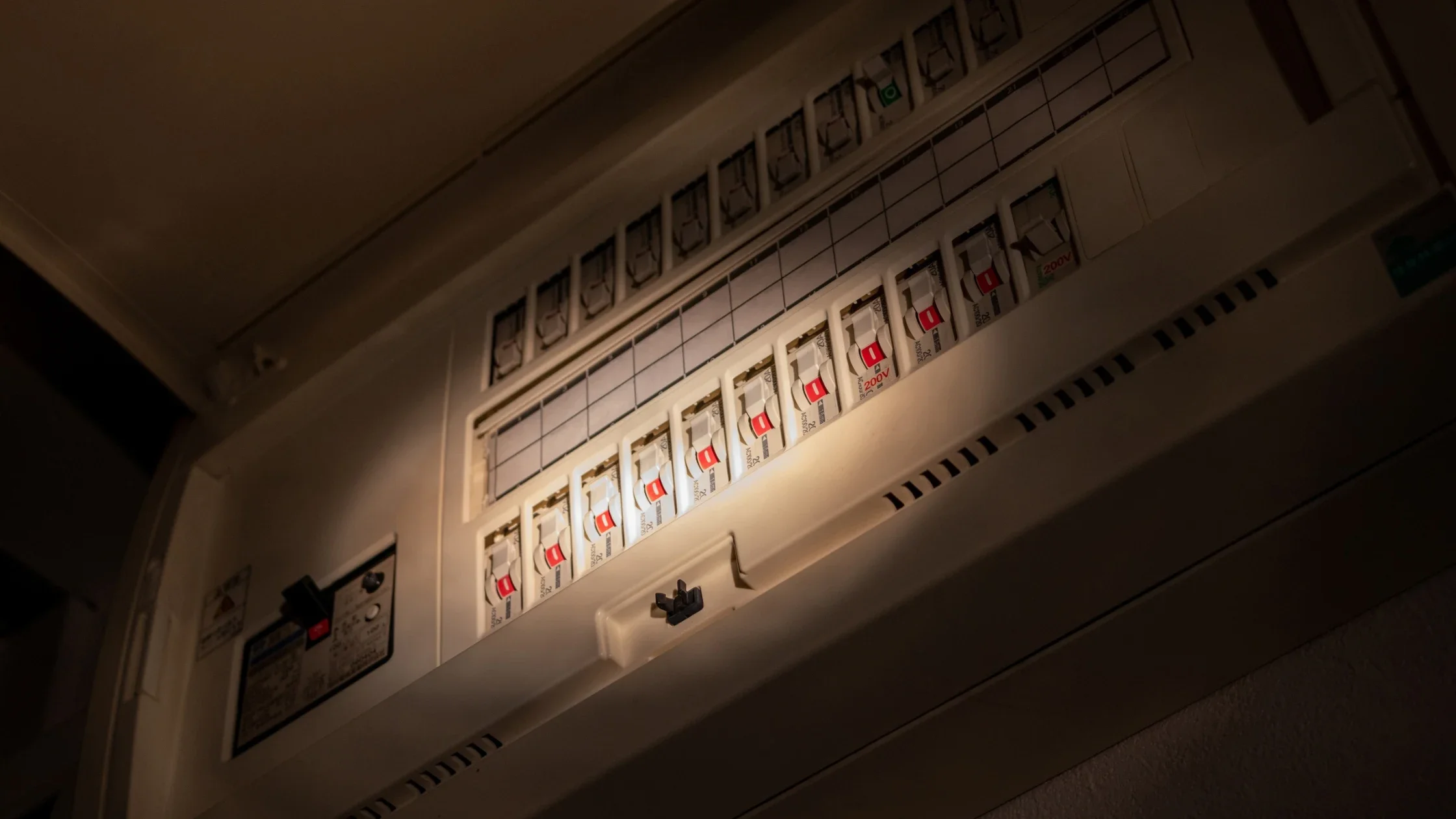
One of the most common reasons for partial or total power loss is a tripped breaker. Your electrical panel (sometimes called the switchboard) may have a breaker sitting between “ON” and “OFF.” Flip it fully off, then back on. That can restore power immediately.
If the breaker trips again immediately, that’s a sign that something deeper is wrong — maybe an overloaded circuit, or a faulty appliance.
b) Unplug Appliances & Test
If a breaker keeps tripping, unplug everything on that circuit: lamps, heaters, kitchen gear. Reset the breaker, then plug devices back one by one. If one appliance causes it to trip repeatedly, that device may be the culprit.
c) Inspect for Damaged or Overloaded Circuits
Old homes, or homes with heavy electrical demand, may suffer from overloaded circuits. Overloading happens when too many high-wattage devices draw current at once.
Also, look (visually) for any signs of damage — discoloration, burning smell, or warm switches. These are red flags.
d) Reset RCDs / GFCI Outlets
If you have modern safety switches (RCDs) or GFCI outlets in wet areas like bathrooms or outdoors, check whether any have tripped. Press the “reset” button to restore power. If it won’t reset, or continues to trip, that could mean a wiring fault — time to call the sparky.
e) Check with Neighbours & Your Meter
Is the outage just in your house or affecting the whole street? Call a neighbour quickly. If they have power and you don’t, the fault might be on your side — not the grid. Also, check your meter if it has activity lights or a display. If there seems to be power to the meter, but nothing inside, that’s another clue.
f) Look for External Causes
Storms or fallen trees? These can cause damage outside the house — downed lines, broken poles, etc. If you suspect that, do not touch any power lines. Stay safe, and call the right people. If you see downed lines, treat them as live and dangerous.
Why Having Mako Electrical on Speed Dial Helps
By doing these checks, you may well restore power quickly — but even if you don’t, these steps give you valuable information to pass on to an electrician. That means when Mako Electrical comes out, we waste no time:
We’ll arrive knowing whether it’s likely a tripped breaker, a faulty appliance, or possibly something more serious.
We're local to Nelson & Tasman and deeply familiar with the types of homes in this area — from character villas to modern builds.
Safety is our top priority. If there’s a risk (burn smells, repeated trips, damaged wiring), you’ll have peace of mind that you’re calling someone who’s fully qualified, experienced, and trustworthy — like Jordan Inwood, the fully qualified local electrician behind Mako Electrical.
Once on-site, we can offer long-term solutions: maybe a switchboard upgrade, or a more efficient circuit layout — not just a quick fix.
When to Call Mako Electrical
After your DIY checks, if you still have partial or no power — or if any of these apply:
Breaker keeps tripping immediately
Burning smells, sparks, flickering lights
RCD / GFCI won’t reset
You’re unsure of the wiring condition
You suspect overload or an old switchboard
…then it’s time to call Mako Electrical, your trusted emergency electrician in Nelson Tasman. We offer reliable, safe, and tailored residential electrical services — whether it's repairs, maintenance, or full upgrades.
Let’s get your home back online — safely and properly.
Why This Guide Is Trusted
This advice is grounded in the real-world practices of qualified electricians. Mako Electrical is run by Jordan Inwood, a fully qualified electrician with years of hands-on experience in the Nelson Tasman region.
The tips align with trusted electrical safety sources and industry best practices.
We emphasise safety throughout — from not touching live wires to when to call a professional. Also, Mako Electrical’s testimonials and local roots in Nelson Tasman establish their reputation.
Conclusion
Losing power can feel like an emergency — but with a few calm, safe checks, you'll often find the cause is fixable without immediate drama. And when do you need help? Mako Electrical, your local Nelson & Tasman residential electrician, is ready to respond. Our team brings expert, trustworthy service rooted in local experience. Don’t wait until things go wrong — save our number, and call us next time you need help with electrical repair in Nelson.
Frequently Asked Questions
-
If only some rooms or outlets are out, start by checking your circuit breaker. A tripped breaker often only cuts one circuit. Reset it (off → on) and if it trips again, unplug devices to test for overload.
-
RCDs trip when they detect a current fault, typically caused by faulty wiring or a leaking appliance. After unplugging all devices, reset the switch. If it trips again, it’s likely a deeper wiring issue—get a registered electrician.
-
Yes — as long as you avoid touching exposed wires, don’t tamper inside the breaker box beyond resetting breakers, and don’t manipulate downed lines. If anything seems risky (burning smell, sparks, or exposed wiring), call an electrician immediately.
-
Regular inspections are wise, especially in older homes. Many electricians recommend a full safety check every few years, and any time you experience repeated tripping or power issues. Mako Electrical offers safety checks, maintenance, and full‐house rewiring services.
