
Mistakes to Avoid During Home Renovation Electrical Work
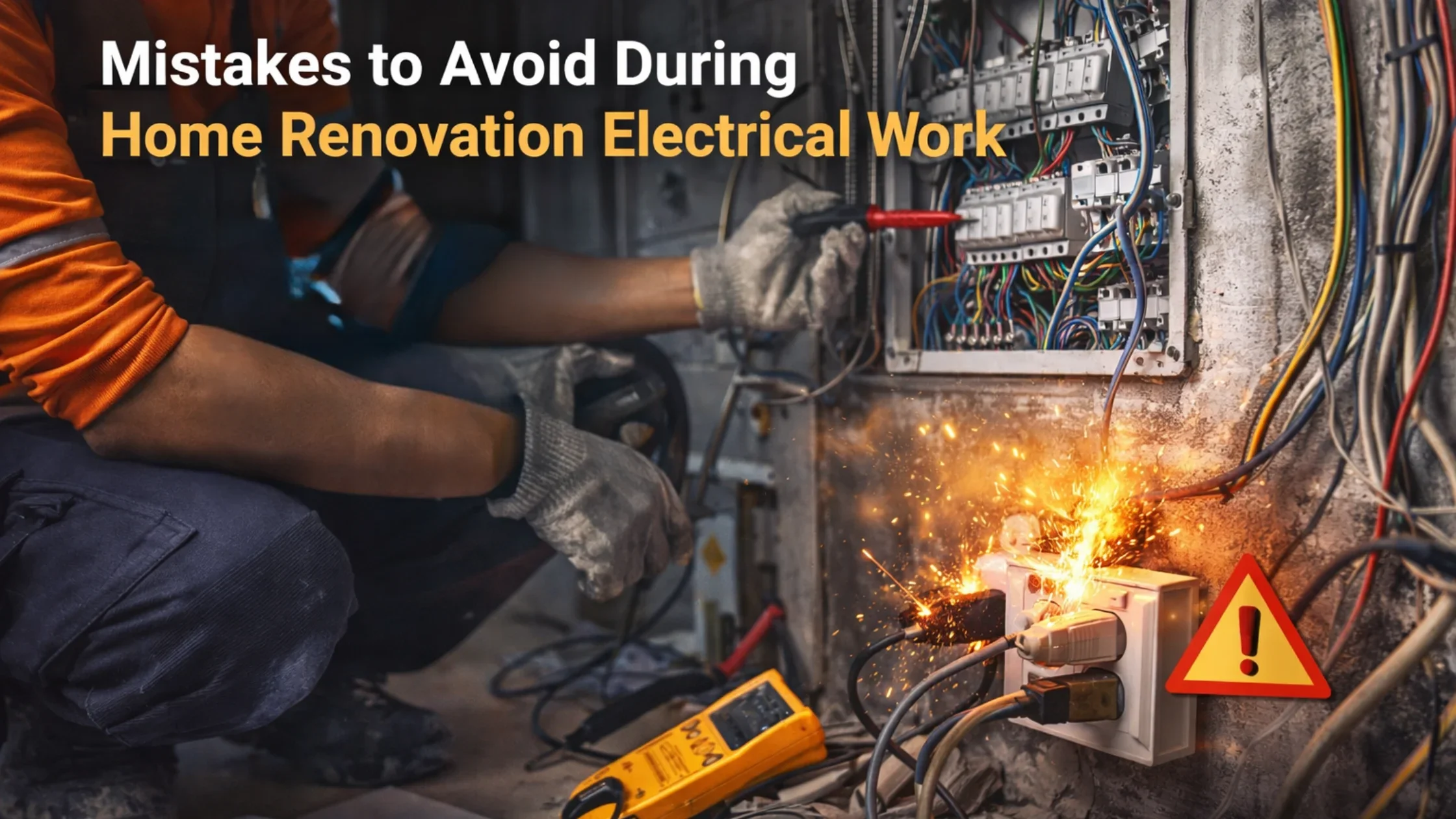
Renovating your home gets you excited. You can bring your dream home to life, but amid the dust and paint swatches, you might overlook or underestimate electrical work. Electrical mistakes during a renovation don't just cost you money—they can put you in danger. At Mako Electrical, we often see overloaded circuits, DIY errors, and unsafe wiring as common problems. In Nelson Tasman, you need to make sure your home's electrical system meets the code to stay safe, work well, and last long.
Lots of homeowners kick off renovations thinking they'll cut costs by doing electrical work on their own. But even small mistakes can cause fires, blackouts, and pricey fixes. Being aware of what not to do can help you save time, cash, and headaches.
Key Takeaways
Circuit overloads pose big risks during home updates; map out and spread electrical use.
DIY electric jobs often cause slip-ups, dangers, and break NZ rules.
Bad wiring, old cables, and poor grounding can start fires or shock people.
Expert electricians keep things safe, follow rules, and make sure stuff lasts.
Good planning of power use stops future blackouts and pricey fixes.
Certified services like Mako Electrical protect your home and help you relax.
Sticking to NZ electric laws during updates keeps your insurance valid and follows legal rules.
Overloaded Circuits: A Hidden Danger
A common electrical problem during home makeovers involves putting too much strain on circuits. This occurs when numerous gadgets or machines pull energy from one circuit. In older houses across the Nelson Tasman area existing wires might struggle to handle today's electrical demands making careful planning crucial.
Strained circuits can trigger regular breaker trips, make lights flicker, and even start fires. Basic steps, like talking to a skilled house electrician before adding new plugs or power-hungry machines, can stop these dangers. Mako Electrical makes sure each circuit has the right rating and balance to meet your renovation's requirements.
DIY Electrical Errors: The Costly Shortcut
Fixing electrical issues yourself might look easy when you see quick-fix videos online. But even little mistakes—like bad connections, loose wires, or outlets in the wrong spots—can turn into big problems.
Take, for example, putting outlets in wet areas without making them waterproof or not following New Zealand's electrical rules. These mistakes can cause shocks or short circuits. When you hire a trusted Nelson Tasman electrician, you avoid the dangers of guessing and make sure the work passes checks. This gives you peace of mind and keeps you safe for years to come.
Unsafe Wiring Practices
Faulty wiring poses a serious risk in home renovations. People often make mistakes like using worn-out or broken wires, not grounding , and skipping safety features such as circuit breakers. These blunders can cause electric shocks, ruin equipment, or start fires.
Fixing the wiring during renovations gives you a chance to make your home ready for the future. A skilled electrician can put in the right kind of cables, set up the layout to save energy, and make sure everything follows New Zealand's electrical rules. Mako Electrical knows how to handle renovation jobs helping homeowners steer clear of dangerous wiring problems.
Failing to Plan for Electrical Loads
Many home upgrades fail to plan electric loads . This includes figuring out how much power kitchen gear, entertainment setups, heating, and smart home stuff will need. Without good load math, circuits might get too full leading to annoying trips or worse dangers.
Getting a pro to check makes sure your home's wiring can handle what you need now and later. This planning helps avoid pricey fixes and ensures your new spaces work right.
Skipping Safety Rules and Following Laws
New Zealand has rules for electrical work to keep homeowners safe. Taking shortcuts or ignoring safety standards during upgrades is dangerous. Work that doesn't follow the rules can make insurance useless, cause legal trouble, and put lives at risk.
Teaming up with certified electricians from Mako Electrical guarantees that every installation follows New Zealand standards. This covers proper grounding, protection for circuits, and sticking to building rules, creating a safe space for your loved ones.
The Upsides of Expert Electrical Work
Bringing in a pro for electrical work during renovations has many perks:
Safety: Experts understand the rules, benchmarks, and risks to steer clear of dangerous slip-ups.
Productivity: Well-placed wiring cuts down on future upkeep costs.
Assurance: Certified electricians make sure all work passes inspections and follows the rules.
Lasting Quality: Correct setups make your electrical system and appliances last longer.
For Nelson Tasman homeowners, putting money into expert electrical services like Mako Electrical helps avoid costly mistakes and potential dangers.
Take the Next Step
Dodging electrical renovation blunders plays a key role in keeping your home safe and working well. In the Nelson Tasman area, Mako Electrical gives top-notch home electrical services made for renovation jobs. From circuits that can't handle the load to risky wiring, we offer pro fixes to make sure your home stays safe, follows the rules, and runs smoothly.
Get in touch with Mako Electrical now to set up a chat and make your home makeover stress-free.
Frequently Asked Questions
-
New Zealand has tough safety rules for electrical work. Doing it yourself can put you in danger and might not meet the laws. We suggest hiring a licensed electrician.
-
Your circuit might be overloaded if you notice your breaker tripping often, your lights flickering, or your outlets feeling warm.
-
To ensure safe wiring during renovations hire a licensed pro. They'll swap out old wiring, set up proper grounding, and stick to NZ electrical rules.
-
While costs differ, DIY errors can lead to pricey fixes, electrical fires, or problems with insurance. Hiring a pro from the start saves money in the long run.
-
A licensed electrician has the ability to evaluate your home's power needs and make sure circuits have the right rating and balance for appliances and devices.
