
How to Read Your Electrical Switchboard: What Each Label Means
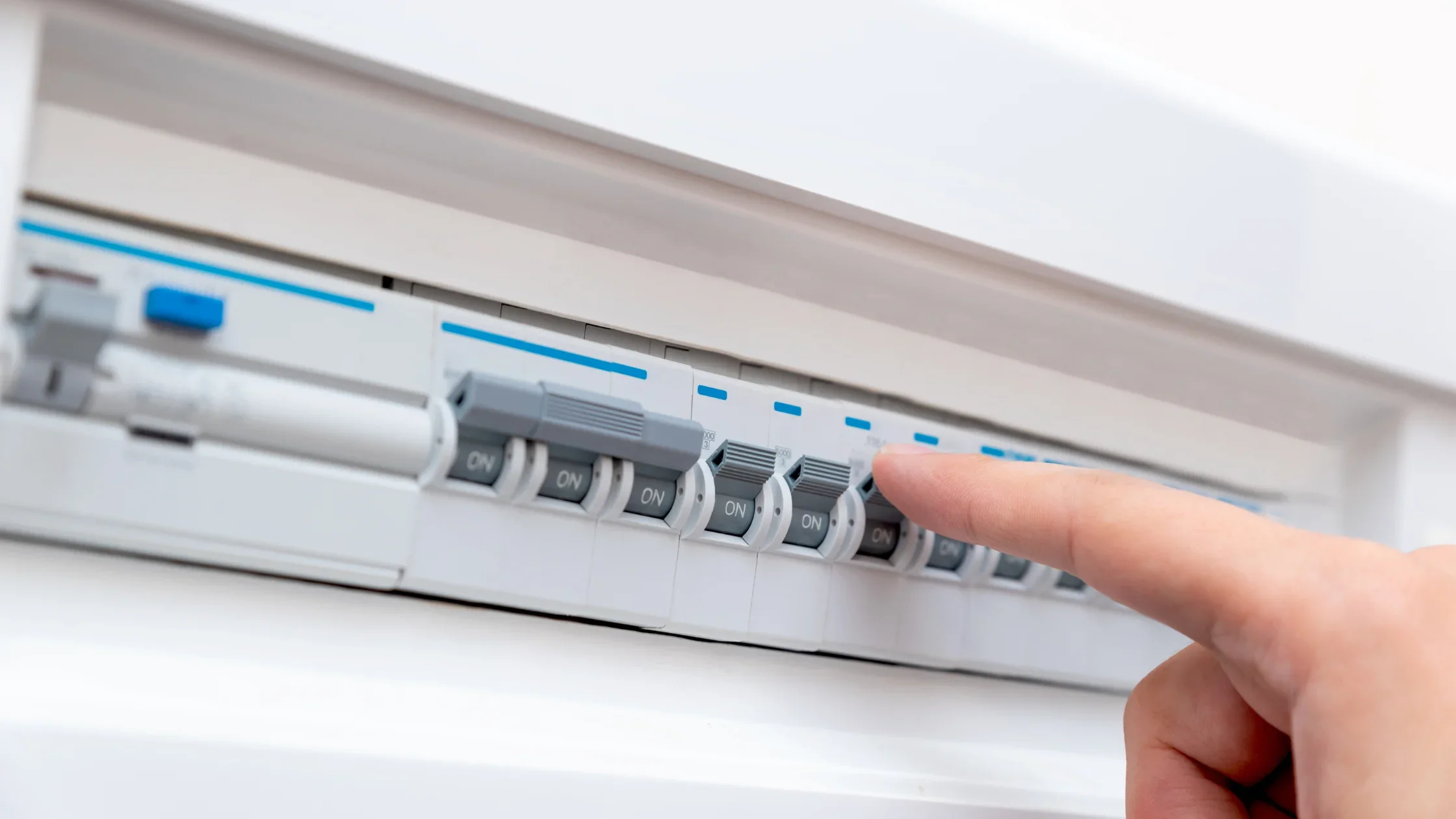
Picture this: one night, your lights flicker, or a circuit trips out of the blue. You go to your switchboard — that metal box with all the little levers — and you see a mix of labels like "Kitchen," "Rooms," "RCD," and more. But which switch does what? What does "RCD" stand for? And could getting it wrong create safety issues?
If that rings a bell, you're not the only one. Many homeowners get nervous about their breaker box — unsure about the meaning of each label, worried that a mistake could be risky.
At Mako Electrical, we serve the Nelson Tasman area and believe that knowing your switchboard gives you power. This power helps you stay safe, take charge, and make wise choices about upgrades or upkeep. This guide will show you how to read your switchboard, explain common labels, and help you decide when to call a skilled electrician (that's where Mako Electrical comes in).
What Is a Switchboard — and Why Do the Labels Matter?
Your breaker box is the heart of your home's electrical setup. It's where the main switch sends power to different circuits for lights, appliances, heating, and other stuff. Each circuit has protection from circuit breakers or RCDs, and those small switches have labels to show which part of the house they control.
Labels do more than just give names. They tell you which breaker is for which area or appliance. This helps when something trips — you can find and reset the right breaker. It's also key for safety checks, upkeep, or planning to upgrade your breaker box. A well-labeled board gives you clarity and helps the electrician (like Mako Electrical) work more .
Common Labels and Their Meanings
Here's a list of labels you'll often see — and what they mean on a home switchboard:
Main / Main Switch: This has control over the whole power supply to your house. In an emergency, flipping this off cuts electricity to every circuit.
RCD or Residual Current Device: A safety feature that kicks in when it detects a current imbalance (like a ground fault). It helps to guard against electric shock.
Lighting / Lights: Breakers with "Lights" on them power all the ceiling lights in a specific area of the house.
Power / Sockets / Outlets: These supply electricity to your plug-in points (power points).
Kitchen / Oven / HOB: These circuits have a higher load because kitchens use more power (for ovens, fridges, etc.).
Heat Pump / Water Heater: Specific circuits for big appliances.
Spare / Future: These are blank slots or breakers set aside for possible later use (such as adding a new circuit).
Garage / External / Outdoor: Circuits that power outside outlets, security lights, or garden tools.
Clear correct labels are crucial because they help you find problems quicker. If your kitchen loses power, you'll know which breaker to look at.
Here's a heads-up for Nelson homeowners: your switchboard might be old or risky.
Why Should You Update or Look After Your Switchboard?
Safety First Old switchboards, ones with rewirable fuses, can start fires. WorkSafe NZ points out dangers like loose connections, burn marks, or overheating.
Modern Requirements Today's building codes often need RCD protection, which older boards might not have. Mako Electrical knows how to upgrade switchboards in the Nelson Tasman area to meet current safety rules.
Clear Labelling = Faster Repairs A board with good labels saves time and prevents headaches. When you need to fix something or a circuit breaks, you won't have to guess which switch does what.
Peace of Mind A licensed local electrician like Mako Electrical checking your board gives you peace of mind. You can rest easy knowing your home is safe, meets all regulations, and can handle your power needs — now and in the years to come.
Real Experience You Can Count On
Jordan Inwood, who started Mako Electrical, is a qualified home electrician working in Nelson Tasman. Over the years, he's helped many homeowners upgrade and keep their switchboards in good shape, always doing a professional and careful job. When you pick Mako, you're teaming up with someone who understands the local rules, knows how houses in the area are wired, and gets what's key in New Zealand's home electrical work.
Okay — what's next for you? Here's a simple three-step plan:
Check Your Switchboard Turn off the main power. Open your switchboard if you can do it . Look at the labels. Are they easy to read and correct? Do they match your home's circuits? If not, write down what's wrong.
Schedule an Inspection with Mako Electrical Ask a licensed electrician to check your switchboard. Mako Electrical provides home electrical services in Nelson Tasman. They can maintain and upgrade switchboards.
Consider Upgrading — If Needed Your board might need an upgrade if it's old, doesn't have RCDs, or has unclear labels. Mako can help you plan a safer switchboard. This might include:
Putting in new circuit breakers
Putting in or swapping out RCDs
Changing labels (so they're correct, easy to read, and long-lasting)
Getting backup circuits ready for later use
Get in touch now! Ring Mako Electrical or send an email. We'll check your switchboard and guide you to make smart secure decisions for your house.
Conclusion
Knowing what each label on your switchboard means isn't just helpful — it plays a big role in keeping your home safe and in check. If you're just curious or think your board might be old, taking time to learn more is a wise choice.
If you're in the Nelson Tasman area, don't leave your switchboard up to chance. Get in touch with Mako Electrical, your go-to local home electrician. We'll work with you to make sure your switchboard has clear labels, meets modern standards, stays safe, and is set for whatever comes next.
Give us a call today or send an email. We're here to help you take charge of your home's electrical core.
Frequently Asked Questions
-
The experts suggest getting a professional to check your electrical system every 5–10 years. This timeline can change based on how old your wiring is and what shape it's in. You should also take a look at it yourself more often. Keep an eye out for burn marks or weird smells. WorkSafe tells homeowners to watch for signs that things are getting too hot or burning.
-
RCD stands for Residual Current Device. This safety switch spots electricity leaks from a circuit (like through a person) and cuts the power fast to stop electrocution.
-
You can label the outside of your breaker box, but a licensed electrician should handle any internal electrical changes (rewiring, adding new devices, or changing labels connected to circuits). WorkSafe and New Zealand electrical rules say that qualified workers can do prescribed electrical work.
-
Signs that indicate your switchboard may need an upgrade include: breakers that trip often odors of burning, rust or color changes, old-style fuse boards, or missing modern safety devices like RCDs.
-
You can safely reset a breaker after a single trip, which might happen due to overload. However, if the breaker keeps tripping, or you hear a sizzling sound or smell something burning, you should switch off the main power and contact a certified electrician such as Mako Electrical to check it out.
