
Mechanical vs. Electronic Timers for Hot Water Cylinders
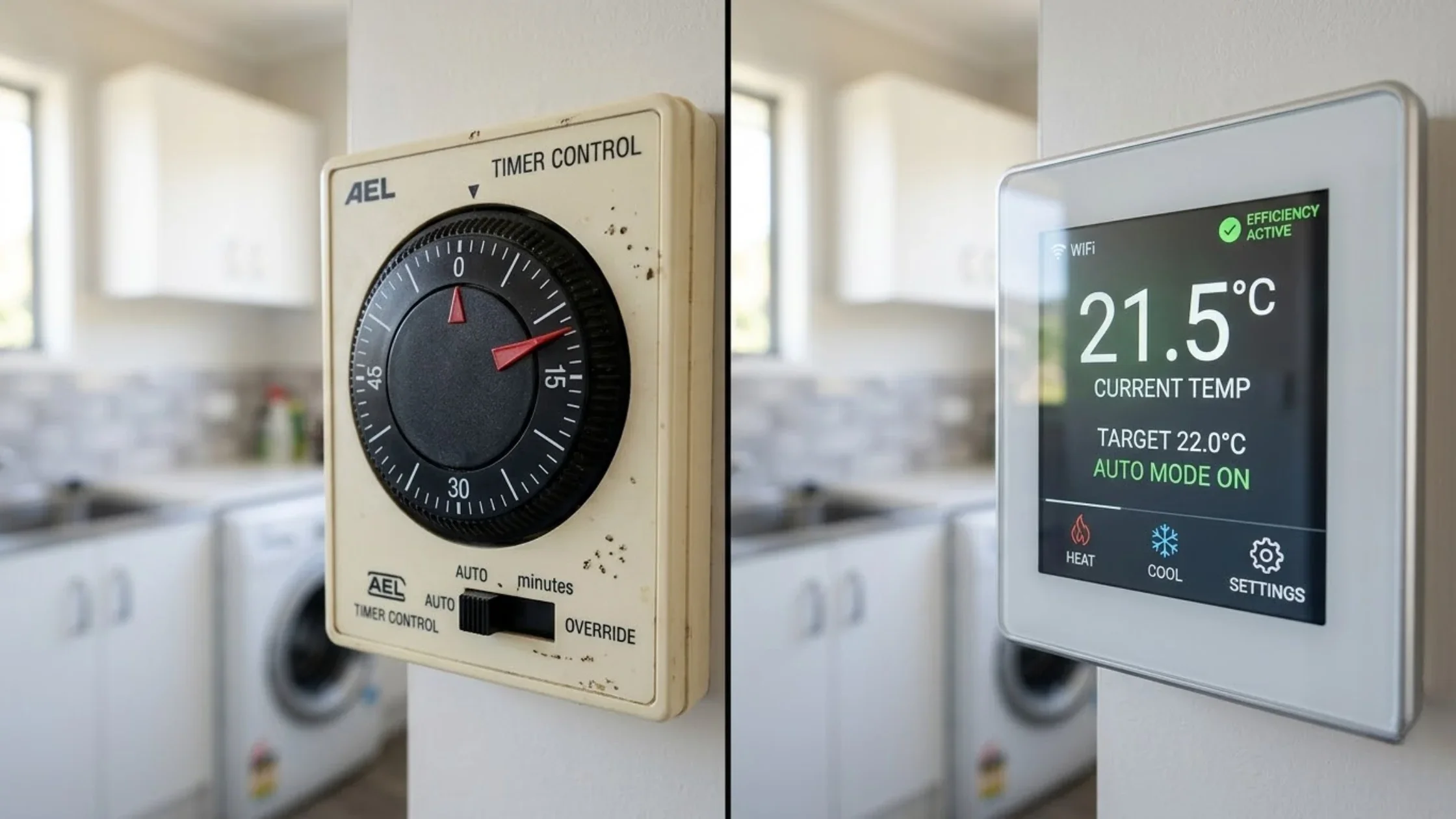
Is Your Hot Water Cylinder Eating Your Monthly Budget?
Imagine waking up to a freezing morning in Nelson stepping into the shower, and realizing that while you were sleeping, your hot water cylinder was working overtime—and charging you for it. Most Kiwi homes keep their water hot 24/7 even when everyone is at work or school. This is like leaving your car engine running all night just so it's warm for your morning commute.
At Mako Electrical, we see many families struggling with rising power bills. The good news? You can take control of your energy use without sacrificing your morning shower. By choosing between a mechanical or a digital timer, you can tell your cylinder when it should heat up. This simple change is one of the smartest ways to save money on hot water in NZ.
Whether you are looking for a simple dial or a smart phone-controlled system understanding how these tools work is the first step toward a cheaper power bill and a more efficient home.
Key Takeaways
Save Money: Timers prevent your heater from running when power prices are at their highest.
Mechanical is Simple: Great for reliability and ease of use with a physical dial.
Digital is Flexible: Perfect for custom weekend schedules and power-cut protection.
Expert Install: Always use a registered electrician to ensure your wiring is safe.
What is a Hot Water Cylinder Timer?
A hot water cylinder timer is a small but powerful device installed by a qualified electrician. Its job is simple: it turns the power to your water heater on and off at specific times. Instead of the cylinder "topping up" its heat every time the temperature drops slightly, the timer ensures it draws power during the hours you need it—or when your power company offers cheaper off-peak rates.
In the Nelson Tasman region where winter mornings can be crisp, you can have your water ready right when you wake up—without paying to keep it hot all through the night—and this is transformative for your wallet.
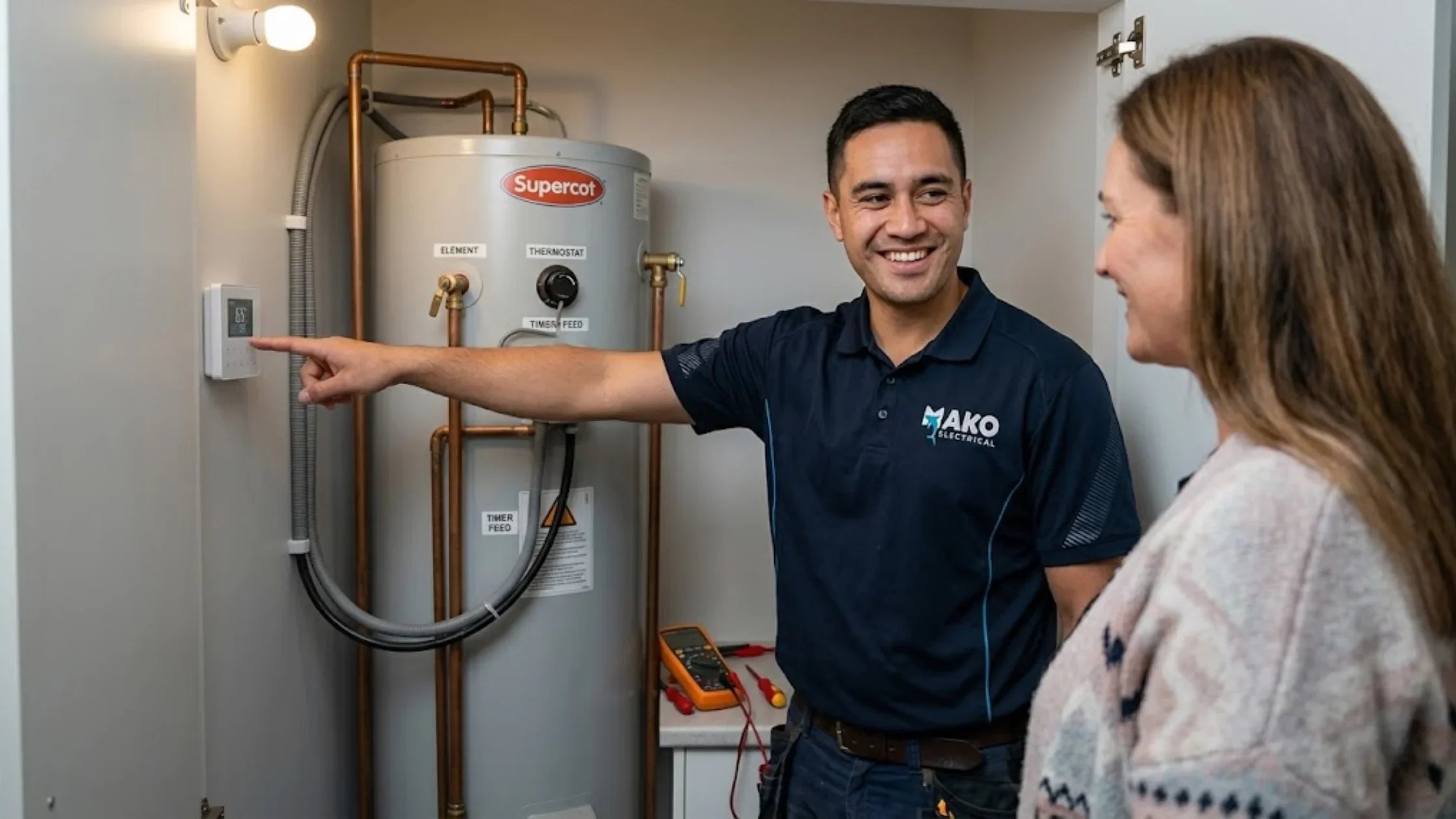
Mechanical Timers: The Simple Choice
Mechanical timers are the "old school" champions of electrical maintenance. You might recognize them by the small plastic pins around a circular dial. To set your schedule, you push the pins in or pull them out.
How they work: As the dial rotates throughout the day, the pins flick a switch to turn the power on or off.
The Pros: They are reliable and very easy to understand. You don't need an app or a manual to see when your hot water is scheduled to run.
The Cons: They aren't as precise as digital versions. Most mechanical timers work in 15-minute chunks. Also, if there is a power cut, the "clock" on the timer might stop, which means you'll need to manually reset the time once the lights come back on.
For homeowners who want a "set it and forget it" solution that lasts for years, a mechanical timer is a fantastic, budget-friendly entry point into hot water cylinder wiring.
Digital Timers: The High-Tech Saver
If you love precision and data, a digital water heater timer is likely your best bet. These look more like a digital watch or a small thermostat screen.
How they work: They use an internal computer chip for managing schedules. Many modern versions even connect to your home Wi-Fi.
The Pros: You can set different schedules for weekdays and weekends. If you sleep in on Saturdays, you can tell the heater to start later. Many have a "battery backup," so they won't lose their settings during a Nelson storm. Some even allow you to "boost" the heat for an hour if you have extra guests staying over.
The Cons: They can be a bit more expensive upfront and might take a few extra minutes for you to learn how to program.
When comparing ways to save money on power digital timers offer the most flexibility if your electricity provider has complex "Free Power Hours" or off-peak windows.
Why Nelson Homeowners Need This Now
Living in the Nelson Tasman area means we deal with varying temperatures and unique local power grids. Because hot water can account for 30% of your total energy bill even a small adjustment to your hot water cylinder timer can save you hundreds of dollars a year.
Our team at Mako Electrical specializes in professionalHot Water Cylinder Wiring. We don't just install a box; we examine your specific cylinder, your family's habits and your power plan to recommend the perfect fit. ProperElectrical Maintenance ensures your system is safe, effective and compliant with NZ standards.
Ready to Slash Your Power Bill?
Don't let your hot water cylinder dictate your monthly spending. Whether you prefer the clicking simplicity of a mechanical dial or the sleek control of a digital screen, Mako Electrical is here to help. We provide expert advice and seamless installation across Nelson and Tasman.
Take the first step toward a more productive home today. Explore our About Us page to meet the team, or Get in Touch for a friendly quote. Let's get your hot water working for you, not against your bank account!
Frequently Asked Questions
-
In New Zealand, water heating is often the biggest part of your power bill. By using a timer to heat water during off-peak hours (late at night or mid-day), a typical Nelson family can save between $150 and $300 per year. The exact amount depends on your specific power plan and how much hot water you use but the device pays for itself within the first year of use.
-
Mechanical timers are often the preferred choice for rentals because they are very durable and easy for tenants to understand without needing an instruction manual. That said digital timers are a better option if the property is in an area prone to short power blips, as the digital battery backup keeps the clock accurate, whereas a mechanical timer would fall behind and need manual resetting by the tenant or landlord.
-
No, in New Zealand, installing a timer requires work with high-voltage mains wiring connected to your cylinder. This is restricted electrical work and must be performed by a registered electrician. DIY installation is not dangerous and life-threatening but will also void your home insurance and may lead to legal issues if a fire or fault happens in the future.
-
Not if it is set ! A hot water cylinder is like a giant thermos; once the water is hot, it stays warm for a long time. Your electrician will help you set the timer to finish heating just before your peak usage times (like morning showers). As long as your cylinder is a standard size for your family, you will have plenty of hot water ready when you turn on the tap.
-
Most installations are straightforward and take between one to two hours. This includes mounting the timer near your switchboard or cylinder, completing the necessary wiring and testing the system to ensure everything is safe. At Mako Electrical, we also take the time to show you how to adjust the settings yourself so you feel confident managing your own energy savings.
-
Many modern digital timers are "Smart Timers" that connect to your home Wi-Fi. This allows you to turn the water on or off from your phone even if you aren't at home. This is great for holiday homes or if you realize you forgot to turn the heater off before you left for a trip. Our team can recommend specific models that work with your smartphone or home automation system.
-
Not at all! Timers can be retrofitted to almost any existing electric hot water cylinder regardless of its age. As long as your cylinder is in good working condition and the wiring is up to modern safety standards adding a timer is a simple upgrade. It is in fact one of the best ways to make an older less efficient cylinder perform much better for your budget.
-
If you have a mechanical timer, the internal clock stops when the power goes out. You will need to turn the dial to the correct current time once the power returns. Digital timers have a small internal battery or "supercapacitor" that keeps the clock running for several days without power so your schedules stay on track without you having to do anything at all.
-
Yes, in a way. By cutting down the number of "on/off" cycles the heating element goes through and stopping the water from being kept at boiling point all day long when it doesn't need to be, you cut down the overall wear and tear on the electrical components. While the tank itself won't change, the heating element and thermostat may last longer because they aren't working quite as hard throughout the day.
-
This depends on your electricity provider's "off-peak" rates. , the cheapest times are between 11:00 PM and 7:00 AM or sometimes during the middle of the day between 11:00 AM and 2:00 PM. We recommend you check your latest power bill or call your provider to find your "Night" or "Off-peak" windows and then set your timer to finish its heating cycle about 30 minutes before your first morning shower.
