
What Do NZ Electrician Wire Color Codes Mean?
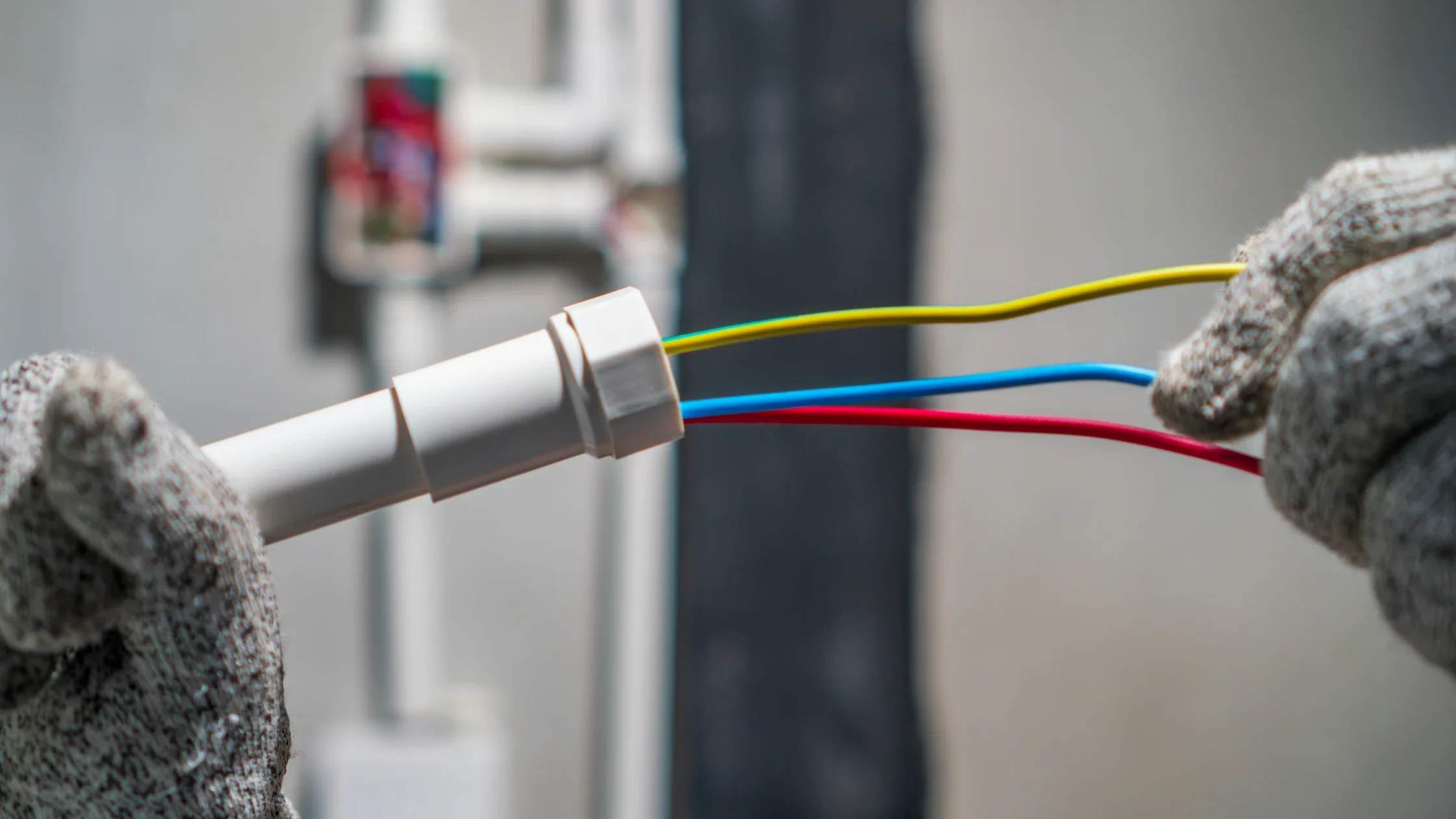
A Simple Guide to NZ Electrician Wire Colour Codes
Have you ever peeked behind a light switch or looked at a frayed plug and wondered why there is a rainbow of wires inside? It can look a bit like a puzzle, but those colours aren’t just for decoration—they are a vital safety code designed to keep you and your family safe. In New Zealand, we have very specific rules about which colour does what.
At Mako Electrical, we believe that a safe home starts with an informed homeowner. While you should never try to DIY electrical repairs (it’s dangerous and often illegal!), understanding what those phase, neutral, and earth wires mean helps you spot potential hazards before they become big problems. Let’s dive into the world of NZ wiring so you can feel confident about the power running through your walls.
Key Takeaways: Safety at a Glance
Red or Brown usually means the wire is "Live" (carrying power).
Black or Blue is typically the "Neutral" wire.
Green and Yellow is always the "Earth" wire for safety.
Old wiring uses different colours than new wiring, which can be confusing.
Never touch bare wires; always call a professional for any electrical work.
Why Wire Colours Matter for Your Family
Imagine you are trying to fix a leaky tap, but all the pipes are the same colour and you don't know which one is hot or cold. It would be a mess! Electricity is the same, but much more invisible and much more dangerous. The NZ electrical standards (officially known as AS/NZS 3000) are like a universal language for electricians.
Whether an electrician is working in Auckland, Christchurch, or right here with the Mako Electrical team, these colours tell them exactly where the electricity is coming from and where it is going. If these colours get mixed up, it can lead to electrical shocks or even house fires. Understanding these basics is your first step in being a "safety-first" homeowner.
Breaking Down the NZ Wire Colour Code
In New Zealand, we have seen a transition in colours over the years. If your house was built a long time ago, the wires might look different than a brand-new home. However, the jobs those wires do remain the same.
The Phase (Live) Wire: The Power Carrier In modern NZ homes, the phase wire is usually Brown. In older homes, you might see Red. Think of this wire like a rushing river of energy. It is "active," meaning it is carrying the electricity from the power grid into your appliances. This is the most dangerous wire because it is always looking for a way to release its energy.
The Neutral Wire: The Return Path Once the electricity has powered your toaster or TV, it needs a way to get back. This is what the Neutral wire does. In new houses, this wire is Blue, while in older NZ homes, it is Black. Even though it is called "neutral," it can still carry a current, so it must be handled with just as much respect as the live wire.
The Earth Wire: Your Safety Shield This is the most important wire for your protection. It is almost always Green and Yellow striped (or just Green in very old houses). The Earth wire doesn't carry power normally. Its only job is to provide a safe "emergency exit" for electricity if something goes wrong. If a wire loose inside a metal microwave touches the casing, the Earth wire grabs that electricity and sends it safely into the ground instead of through you.
For a deeper look at how these colours compare internationally, you can check out this comprehensive wiring guide.
Why You Need an Expert Who Knows the Code
It might seem simple to just match "blue to blue" or "brown to brown," but electrical systems in Kiwi homes are often complex. Sometimes, DIYers in the past might have used the wrong colours, or heat may have faded the wires over time. This is where the Experience and Expertise of Mako Electrical comes in.
When you choose a professional, you aren't just paying for someone to connect wires; you are paying for Trustworthiness. We ensure that every connection is tight, every wire is the correct gauge, and every colour code is followed to the letter of the law. This gives you peace of mind knowing that when you flick a switch, your home stays bright and your family stays safe.
If you are curious about the different types of electrical work we handle, feel free to explore our full range of services. We take pride in making sure your home's "invisible" systems are in perfect shape.
Secure Your Home Today
Don't leave your family’s safety to guesswork. If you’ve noticed flickering lights, a strange smell near your outlets, or if you’ve moved into an older home and want to check the wiring health, we are here to help.
Contact Mako Electrical today for a safety inspection. Our friendly team will walk you through your home's electrical health in plain English—no confusing jargon, just honest advice and expert service.
Frequently Asked Questions
-
In modern New Zealand installations, the Phase (Live) is Brown, Neutral is Blue, and Earth is Green/Yellow.
-
In older NZ wiring, the Black wire is the Neutral wire. In modern wiring, Neutral is Blue.
-
The earth wire is consistently Green with a Yellow stripe, though in very old homes, it may be solid Green.
-
While some minor repairs are permitted for homeowners, it is highly recommended to use a registered electrician to ensure the work meets safety standards and insurance requirements.
-
Red and Black were the standard colours in NZ for many years. Many Kiwi homes still have this "old" colour code, which is perfectly safe if it was installed correctly.
-
This is a serious safety hazard called a "bootleg ground." It can cause metal appliances to become electrified, leading to severe shocks.
-
In AC (Alternating Current) home wiring, we use the term "Phase" rather than "Positive." Brown is the standard colour for the Phase wire.
-
White wires are often used as "switch wires" in NZ lighting circuits, meaning they carry power only when the switch is turned on.
-
Signs include frequent blown fuses, flickering lights, or if you see old rubber-insulated or lead-sheathed cables.
-
You should always call a registered Master Electrician. You can book a check-up with the experts at Mako Electrical.
