
Preparing Your Home for Electric Vehicle Chargers in Nelson
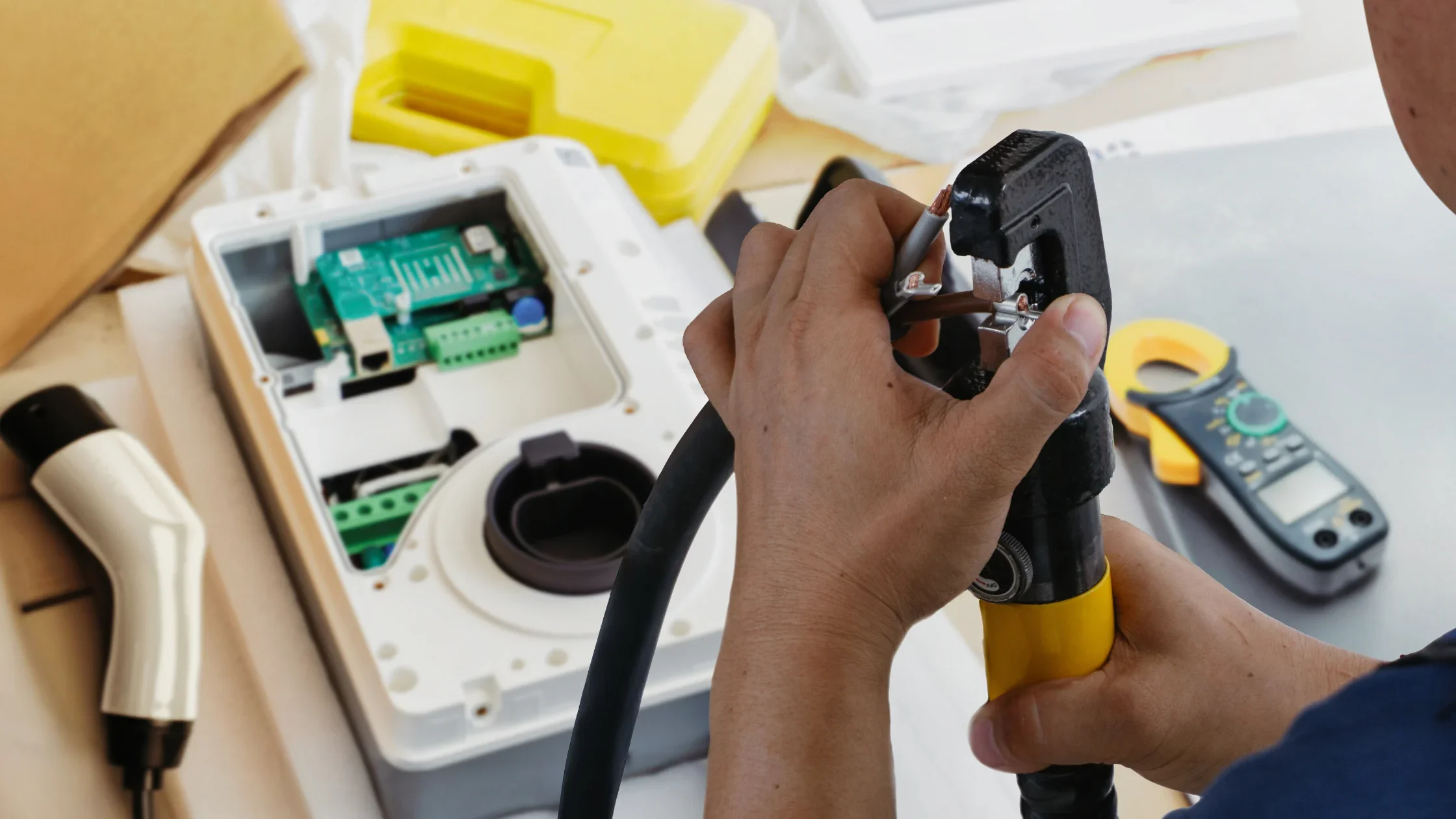
Nelson's Already Seeing the Switch to EVs
Electric cars aren't something we'll see down the road — they're already a big part of daily life in Nelson Tasman. As more people in the area pick EVs to save money and cut down on pollution, one question keeps popping up:
"Can my house handle an EV charger?"
Most homes in Nelson went up long before anyone even thought about electric cars. While it might seem easy to just plug into a wall outlet, charging an EV puts a lot more strain on your home's wiring. If you don't get things ready the right way, you could end up with breakers that keep tripping damaged wires, or even dangerous safety issues.
That's why it's crucial to understand load assessment, wiring upgrades, and electrical safety compliance before you install an EV charger at home.
This guide explains everything in plain easy language — so you can make smart choices and keep your home, car, and loved ones safe.
Key Takeaways
Installing EV chargers in Nelson needs a proper check of power load to stop circuits from overloading.
Many houses need better wiring or a special circuit to charge and well.
Following New Zealand's electrical rules is key to protecting your home and EV.
Clever chargers can make the best use of power and cut down on upgrade costs for older homes.
Getting ready early saves you time, cash, and worry making your home ready for owning an EV.
Skilled electricians in Nelson such as Mako Electrical, make sure EV chargers are set up and by the rules.
Why EV Chargers Need More Than a Power Point
Charging an electric vehicle differs from powering a kettle or washing machine. An EV charger pulls a constant high electrical load for many hours at a stretch. This can strain many home systems beyond their design limits.
In Nelson older houses often face these issues:
Restricted switchboard capacity
Old wiring unsuited for long-term loads
No extra circuit space
Lack of up-to-date safety protection
Before setting up a charger, a skilled electrician needs to grasp how much power your home already uses and how much more it can handle .
This is why load assessment serves as the basis for safe EV charging.
What Is an Electrical Load Assessment?
A load assessment checks if your home's electrical system can handle an EV charger along with your usual daily power needs.
When an electrician does a professional load assessment, they look at:
How much power your main supply can provide
What appliances you have and how much power they use
When you use the most electricity
How good your wiring and switchboard are
Where a separate EV charging circuit could go
For many Nelson homes, the assessment shows that minor updates are needed to install a charger . This doesn't mean your home won't work — it just means you need to update it to meet current standards.
A good load assessment helps stop:
Circuits from getting overloaded
Power from cutting out often
Cables from getting too hot
Fire dangers
Harm to your EV or charger
Local electricians such as Mako Electrical carry out these checks with New Zealand safety standards in mind. This ensures your home stays compliant and dependable for years to come.
Why You Need to Upgrade Your Wiring
After understanding your electrical load, the next step involves checking your wiring. EV chargers need dedicated circuits designed to handle constant high current.
In many instances, setting up a charger without upgrading wiring can reduce the lifespan of cables or cause hidden damage inside walls.
Typical Wiring Upgrades for EV Chargers
Most home EV charger setups in Nelson include:
Setting up a special charging circuit
Upgrading wires to handle constant power flow
Adding safety devices like RCDs
Boosting grounding and connecting
Swapping out old electrical panels
These changes aren't about going overboard. They aim to ensure your charger runs well , and without putting stress on the rest of your house.
Up-to-date wiring also boosts overall house safety and can make your property more attractive as more people buy EVs.
If you're not sure if your house wiring is good enough, an electrician who works on homes can check this as part of a bigger home electrical checkup.
Safety Rules: Why They Matter Now More Than Ever
EV chargers in New Zealand need to meet tough electrical safety rules. These regulations protect people, houses, and cars - given the long charging times and outdoor setups.
The main areas to follow include:
The right circuit protection
Safe isolation switches
Equipment that can handle weather for garages or outside
Good earthing
Following AS/NZS electrical standards
If you install an EV charger without following these rules, you might lose your warranty, insurance, and break electrical laws.
Skilled electricians such as those at Mako Electrical, know both the country-wide standards and what Nelson needs . This means they can set up your charger from the start.
Choosing the Right Charger for Your Home
EV chargers come in different types. Your car driving patterns, and home setup determine the best choice for you.
Nelson homeowners pick from:
Single-phase chargers for regular home charging
Smart chargers that control load by themselves
Wall-mounted units to install in garages or carports
Smart chargers are gaining popularity because they adjust power consumption based on other appliances running in your home. This can help you avoid major upgrades while still charging your car .
A skilled electrician can help you select a charger that fits your home's electrical capacity.
Local Know-How Counts in Nelson Tasman
Electrical work varies for every home. Nelson houses span from old villas to new constructions, each with its own wiring history and power limits.
Local electricians offer crucial know-how, including:
Insight into typical Nelson house layouts
Grasp of local power grid constraints
Know-how about coastal weather effects
Understanding of council and safety rules
Mako Electrical has earned its name by giving straight talk fair evaluations, and reliable home solutions throughout the Nelson Tasman area. Their crew puts equal weight on teaching and installing — helping homeowners grasp what's going on and why.
You can discover more about their methods and principles on the About Mako Electrical page.
Planning Ahead Cuts Down on Time, Money, and Worry Later
Planning to buy an EV or already own one? Getting your home ready early simplifies everything.
A pro check-up helps you:
Skip last-minute holdups
Plan your budget for upgrades
Avoid safety issues
Safeguard your EV investment
Make your home ready for the future
Even if you're not set to install a charger now, knowing your electrical setup puts you ahead as more people in Nelson buy EVs.
Homeowners looking for expert help can turn to Mako Electrical for residential electrical services in Nelson covering check-ups, upgrades, and safety checks.
Conclusion
EVs are changing home power needs. With good prep, EV charging becomes safe, easy, and dependable.
If you're thinking about an EV charger or want to check if your house is ready, talk to a reliable local electrician.
👉 Get in touch with Mako Electrical to set up a professional check or ask about EV charger readiness.
Frequently Asked Questions
-
Yes. A load assessment makes sure your home can handle the charger without overloading circuits or causing electrical problems.
-
While you can do this for a short time, regular outlets aren't built for constant high loads and aren't good for charging EVs.
-
A lot of older homes do. Upgrades make sure wiring can handle long charging times and follow current rules.
-
Yes. Installations must meet New Zealand electrical safety rules and standards.
-
Most checks are fast. Any needed upgrades take one to two days, based on how complex they are.
