
Residential Electrical Maintenance Checklist for Summer
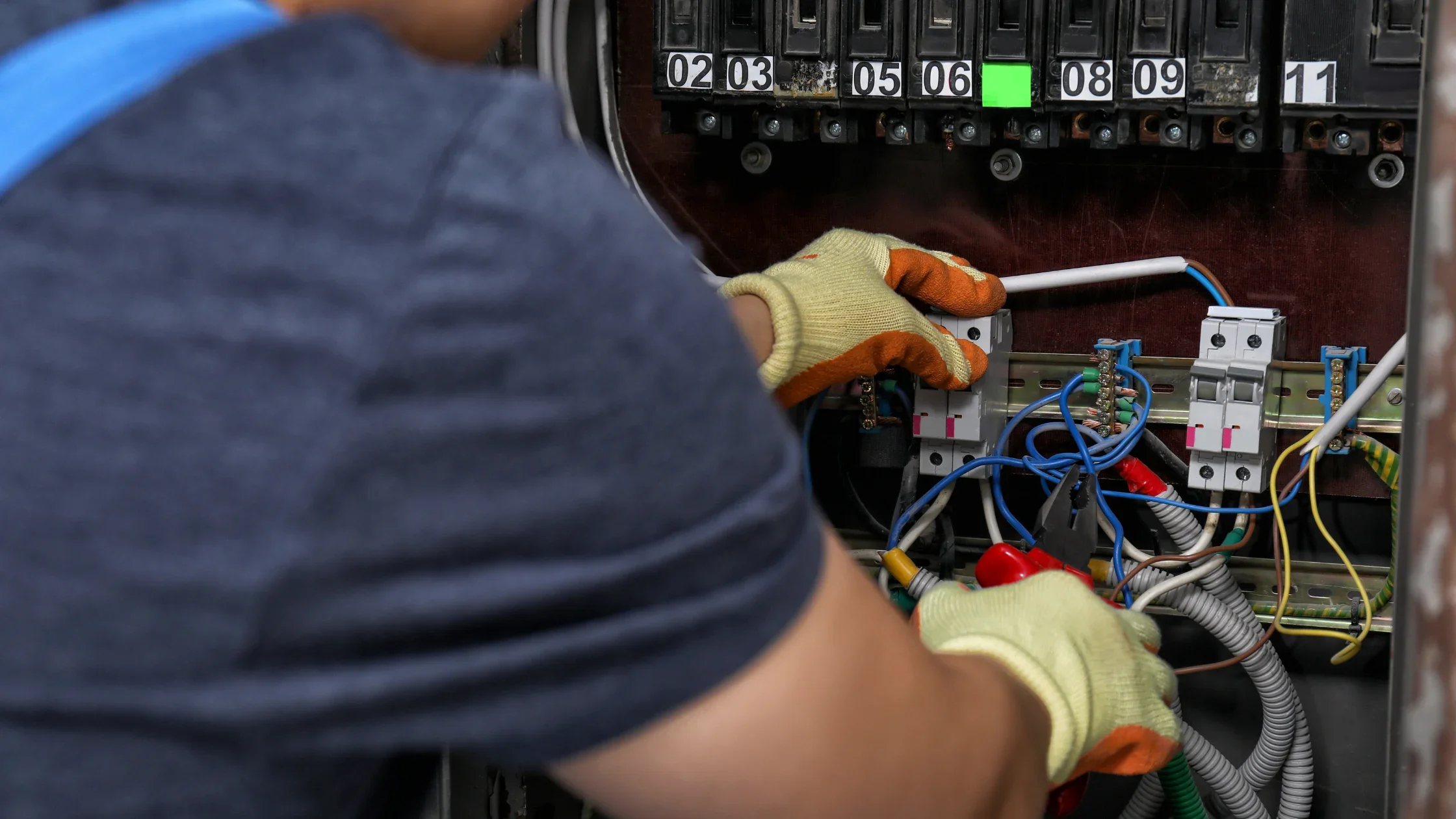
A Nelson Tasman Homeowner’s Guide to Safer, Stress-Free Power
Summer in the Nelson Tasman region is made for outdoor living — BBQs on the deck, longer daylight hours, and homes running at full power with fans, heat pumps, pool pumps, and garden lighting. But while summer brings sunshine, it also puts extra pressure on your home’s electrical system.
Loose outlets, tired switches, aging lights, or damaged outdoor wiring often go unnoticed until something fails — or worse, becomes unsafe. That’s why a residential electrical maintenance check before summer isn’t just smart, it’s essential.
This practical guide walks you through a summer electrical maintenance checklist with a focus on outlets, switches, lighting, and outdoor wiring, tailored for Nelson Tasman homes. You’ll learn what to look for, what to avoid, and when it’s time to call a qualified local electrician like Mako Electrical.
Key Takeaways:
Summer puts extra strain on home electrical systems, especially in Nelson Tasman homes.
Loose or damaged power outlets are common safety risks during high electricity use.
Warm, buzzing, or flickering switches often signal hidden wiring issues.
Flickering or overheating lights may indicate overloaded circuits, not just faulty bulbs.
Outdoor lighting and power points need weather protection and regular inspection.
Sun, moisture, and salt air can damage outdoor wiring faster than expected.
Extension leads and temporary outdoor power setups are frequent summer hazards.
Electrical issues that “still work” can still pose serious fire or shock risks.
DIY electrical fixes can void insurance and breach NZ safety regulations.
Regular summer electrical maintenance helps prevent breakdowns and costly repairs.
Professional inspections catch problems early and extend system lifespan.
Annual electrical checks encourage safer homes and repeat preventative servicing.
Local electricians understand Nelson Tasman conditions and housing styles.
Summer maintenance delivers peace of mind during peak power usage months.
Booking a pre-summer electrical check is a smart, preventative investment.
Why Summer Is the Most Important Time for Electrical Maintenance
Summer places unique demands on residential electrical systems in New Zealand. Warmer weather means higher energy use, more moisture exposure outdoors, and increased use of extension leads, power tools, and outdoor appliances.
In coastal and rural parts of Nelson Tasman, salt air, humidity, and older housing stock can speed up wear and tear. Small electrical issues left unchecked often turn into inconvenient breakdowns — or safety risks — right when you least want them.
A seasonal electrical inspection helps:
Prevent power outages during peak use
Reduce fire and shock risks
Extend the life of your electrical system
Save money by catching issues early
Keep your home compliant with NZ electrical safety standards
This is exactly why many homeowners book annual or repeat maintenance visits with trusted local electricians.
Summer Electrical Maintenance Checklist: What to Inspect
1. Inspecting Power Outlets (Sockets)
Power outlets are one of the most used — and most overlooked — parts of any home.
Before summer hits full swing, walk through each room and check:
Loose or wobbly outlets
Cracked, discoloured, or warm faceplates
Buzzing sounds or faint burning smells
Plugs that fall out easily
These are early warning signs of worn internal connections or overheating. In summer, higher power demand can turn minor outlet faults into serious issues.
In homes with children, it’s also a good time to review outlet placement and safety covers.
A licensed electrician can test outlets properly and replace faulty ones safely. If your home still has older outlets without modern safety features, an upgrade may be recommended.
👉 Internal reference: Residential electrical safety checks.
2. Checking Light Switches for Wear and Heat
Light switches see constant use, especially during summer evenings when indoor-outdoor living is at its peak.
Signs a switch needs attention include:
Clicking, buzzing, or popping sounds
Heat around the switch plate
Flickering lights when switching on or off
Switches that feel loose or stiff
These issues often point to worn contacts or poor wiring behind the wall — problems that are invisible without proper testing.
Modern switch upgrades can also improve energy efficiency and convenience, especially if you’re switching to LED lighting throughout your home.
3. Inspecting Indoor Lighting
Lighting plays a big role in both comfort and safety during summer.
Take time to check:
Flickering or dimming lights
Lights that take time to turn on
Fittings that feel hot to the touch
Outdated halogen or incandescent bulbs
Flickering lights aren’t always a bulb issue. They can signal loose wiring or overloaded circuits, especially in older Nelson homes.
Upgrading to LED lighting not only lowers energy bills during high-use months but also reduces heat build-up inside fittings — a key summer safety benefit.
4. Outdoor Lighting and Garden Power
Outdoor electrical systems work hardest in summer — and face the harshest conditions.
Inspect all outdoor lighting and power points for:
Cracked fittings or damaged covers
Water ingress or condensation inside lights
Rusted screws or fittings
Loose or exposed wiring
Outdoor power points should be weather-rated and protected by RCDs (residual current devices). If your outdoor outlets don’t have proper protection, they may no longer meet current safety expectations.
Professional inspection is especially important for:
Deck and pathway lighting
Security lights
Pool or spa electrics
Outdoor kitchens and BBQ areas
5. Outdoor Wiring, Extension Leads, and Sheds
Temporary summer setups often become “semi-permanent” without homeowners realising the risk.
Check:
Extension leads running through windows or doors
Power leads exposed to sun or moisture
Old wiring in sheds, garages, or sleepouts
DIY electrical additions from previous owners
Sun damage alone can crack insulation over time, exposing live wiring. What worked last summer may not be safe this year.
A qualified electrician can assess outdoor wiring properly and recommend safe, compliant upgrades.
What Not to DIY (And Why)
While visual checks are helpful, electrical testing should never be DIY. New Zealand electrical regulations require licensed electricians for most electrical work — and for good reason.
DIY fixes can:
Void insurance
Create hidden fire risks
Fail future property inspections
Put your family at risk
Professional electricians use specialised testing equipment to spot problems you can’t see, including loose connections, load issues, and earth faults.
Why Nelson Tasman Homeowners Trust Mako Electrical
Mako Electrical isn’t a national call centre — it’s a local Nelson Tasman team that understands regional homes, weather conditions, and building styles.
With hands-on experience across residential electrical systems, Mako Electrical focuses on:
Clear communication (no jargon)
Honest advice
Long-term safety, not quick fixes
Reliable follow-up for ongoing maintenance
👉 You can learn more about their local approach here.
👉 Their blogs also shares practical, seasonal advice for NZ homeowners.
Turning Maintenance into Peace of Mind
A summer electrical maintenance check isn’t about finding problems — it’s about preventing them.
For many homeowners, booking an annual inspection becomes part of their summer routine, just like servicing the heat pump or cleaning gutters. The result is fewer breakdowns, safer living spaces, and confidence that your home is ready for the busiest season of the year.
Ready to Book Your Summer Electrical Check?
If you’re in the Nelson Tasman region and want peace of mind this summer, now is the perfect time to act.
A professional inspection of your outlets, switches, lighting, and outdoor wiring can prevent costly surprises and keep your home safe all season long.
Frequently Asked Questions
-
Most electricians recommend a full electrical check every 1–2 years, or annually for older homes.
-
Key checks include outlets, switches, lighting, outdoor wiring, and safety devices like RCDs.
-
They can be. Flickering often signals loose wiring or circuit issues that should be inspected.
-
Yes. Outdoor outlets should be weather-rated and RCD-protected for safety.
-
Yes. Wiring can degrade over time and become a fire risk even if power still flows.
