
Shocking Truths: Why Your Light Bulbs Are Blowing Too Often
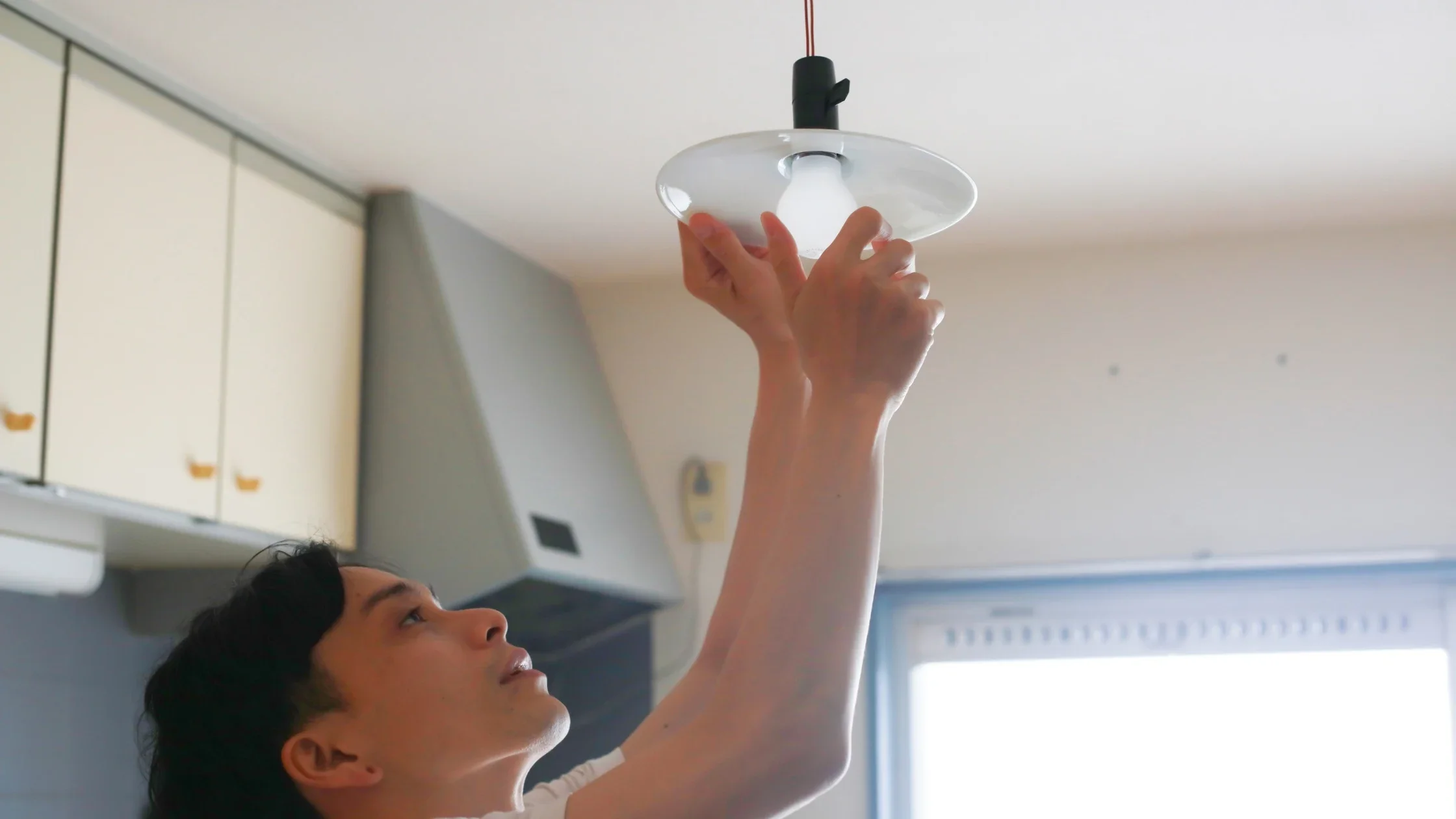
Imagine you’ve just settled onto the sofa with a warm cup of tea and your favourite book. You flick on the lamp, ready to relax, but instead of a soft glow, you hear a sharp pop. Darkness. Again? It feels like you only replaced that bulb last month. While it might seem like a small annoyance, a light bulb that gives up too soon is often a messenger. It’s trying to tell you that something is happening behind your walls that needs a bit of attention.
In the sunny Nelson Tasman region, we rely on our homes to be our sanctuaries. When your lights keep flickering or failing, it isn’t just about the cost of a new bulb; it’s about the peace of mind that comes with knowing your home is safe. From hidden voltage surges to the tiny parts inside modern LED lights, there is usually a very logical reason why your house is "eating" bulbs.
Understanding these "shocking truths" helps you take control of your home maintenance. Instead of constantly climbing ladders to swap out glass and wire, you can get to the heart of the problem. Let’s look at why this happens and how you can fix it for good.
Key Takeaways
Voltage Pressure: High power jumps can "pop" bulbs instantly.
Check the Fit: Loose bulbs or old sockets create damaging heat.
Quality Matters: Cheap LED drivers are the leading cause of early failure.
Stay Safe: Constant blowing is a sign that your wiring needs a professional look.
Expert Help: A quick maintenance check can solve the problem for your whole house.
The Mystery of the Quick-Failing Bulb
Most of us assume that a light bulb blows because it was simply old. While every bulb has a lifespan, they shouldn't be failing every few weeks. If you find yourself keeping a bulk supply of spares in the cupboard, you aren't dealing with bad luck—you are dealing with an electrical symptom.
When Power Gets Too Pushy: Voltage Spikes
One of the most common reasons for a sudden "pop" is a voltage spike. Think of electricity like water flowing through a pipe. If the pressure suddenly becomes too high, the pipe might burst. In your home, if the voltage jumps higher than the standard 230V we use in New Zealand, the delicate filament or the electronic circuit inside the bulb gets overwhelmed and breaks.
These spikes can happen because of lightning, but more often, they occur when large appliances in your home—like a fridge or a heat pump—turn on and off. If your wiring isn't quite up to the task of balancing these jumps, your light bulbs act like a safety fuse and blow out.
Loose Ends: The Trouble with Poor Connections
Electricity needs a clear, smooth path to travel. If the connection between the bulb and the socket is loose, or if the wires inside the light fitting are vibrating, it creates heat. This "arc" of electricity is like a tiny lightning bolt jumping across a gap. Not only does this heat destroy the bulb, but it can also damage the light fixture itself.
If you notice that a bulb feels very hot to the touch or if you hear a faint buzzing sound when the light is on, you likely have a poor connection. This is a common issue in older Nelson homes where the metal tabs inside the sockets have flattened over time.
The Hidden Cost of Cheap LED Drivers
We all love LED bulbs because they save money and are meant to last for years. However, not all LEDs are created equal. The "driver" is a tiny computer inside the bulb that converts your home's power into something the LED can use.
Cheap, budget-brand bulbs often use low-quality drivers. These parts are very sensitive to heat and small changes in power. When a cheap driver fails, the bulb stops working, even if the light-emitting part is perfectly fine. Investing in high-quality bulbs might cost a few dollars more at the shop, but they will save you a fortune in the long run because they actually last as long as they promise.
Taking Care of Your Home
The best way to stop the cycle of blowing bulbs is through regular electrical maintenance. Small checks, like ensuring your fixtures are tight and your switchboard is healthy, can make your bulbs last for years instead of months. It keeps your home bright, your ladder in the garage, and your wallet happy.
Frequently Asked Questions
-
When you flick a switch, a sudden rush of electricity enters the bulb. If the bulb is already weak or if there is a small "spike" in your home's power at that exact moment, the filament can’t handle the pressure and snaps. This is often a sign that your home’s voltage might be a bit too high or the bulb itself was of lower quality.
-
Yes, definitely. If the wires connecting to your light fitting are loose, the electricity has to "jump" across the gap. This creates a lot of heat very quickly. This heat travels into the bulb and causes the internal parts to melt or break much faster than they should. It can also be a fire risk, so it is important to have a professional tighten things up.
-
Flickering is usually a sign that the "driver" (the mini-computer inside the LED) is failing. This happens because of poor heat ventilation or cheap components. Unlike old bulbs that just stop working, LEDs often give you a warning by flickering. If this happens often, you might need to check if your light switches are compatible with LED technology.
-
While a blown bulb itself isn't usually dangerous, the reason it is blowing could be. Frequent failures can point to "arcing" or overheating in your walls or fixtures. If you notice a burning smell, discoloured plastic around the socket, or if the bulb is extremely hot, you should call an electrician to make sure your home is safe.
-
A good quality LED bulb is designed to last between 15,000 and 25,000 hours. If you leave a light on for 3 hours a day, that bulb should last for over 10 years! If yours are failing after only a year or two, there is almost certainly an underlying issue with your home's electrical circuit or the brand of bulb you are using.
-
Yes. If you put a bulb into a fixture that is totally enclosed, heat can't escape. This "bakes" the bulb. Many modern bulbs, especially LEDs, need a bit of air to stay cool. If your fixtures are tightly sealed, you need to buy specific bulbs that are rated for "enclosed fixtures" to prevent them from blowing too soon.
-
Surprisingly, yes. If a light is located under a child’s bedroom or near a heavy door that slams, the vibration can shake the delicate parts of the bulb. This is especially true for old-fashioned incandescent bulbs. If you have a "shaky" location, switching to LEDs is a great fix because they don't have a fragile wire filament that can break.
-
This usually happens because of a significant voltage surge on that specific circuit. If a large appliance on the same circuit has a fault, it can send a "shockwave" of power through the wires, killing all the bulbs in its path. It is a clear sign that the circuit is being overloaded or has a bad neutral connection.
-
Only if you use the wrong bulbs. If you use a non-dimmable LED bulb on a dimmer switch, it will struggle to manage the power and will likely burn out very quickly. Always ensure your bulbs specifically say "Dimmable" on the box if you are using them with a dimmer switch.
-
The best steps are to buy high-quality, name-brand bulbs, ensure they are screwed in firmly (but not too tight!), and have a local electrician perform a quick maintenance check on your switchboard. At Mako Electrical, we specialize in finding these small "ghost" problems before they become expensive repairs.
