
The Best Ventilation Systems for Tasman’s Coastal Humidity
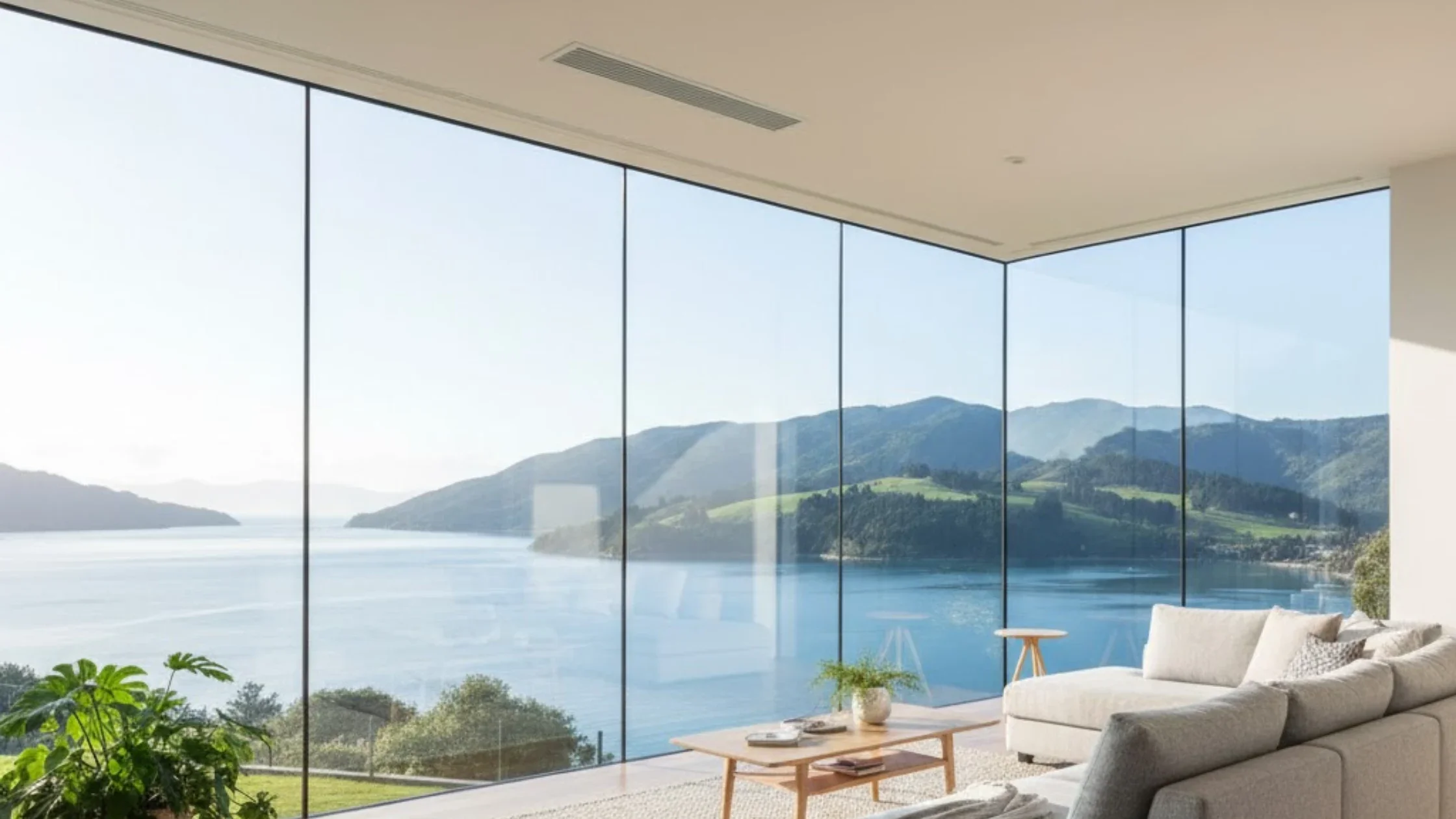
Is Ducted or Through-Wall Ventilation Right for Your Home?
Living in the beautiful Nelson Tasman region means enjoying stunning coastlines and a refreshing sea breeze. However, that same coastal air carries a lot of moisture. If you’ve noticed condensation dripping down your windows in Stepneyville or felt a slight chill in a bedroom in Richmond, you aren't alone. High humidity isn’t just a comfort issue; it’s a challenge for our homes and our health.
When the air stays damp, mould can grow, and your home becomes much harder to heat. That is why choosing the right home ventilation systems in Tasman is one of the smartest moves a homeowner can make. But with different options available, how do you know which one actually works for our unique local climate?
At Mako Electrical, we see firsthand how the right airflow transforms a sticky, damp house into a crisp, dry sanctuary. Today, we are diving deep into the two heavyweights of home breathing: ducted systems and through-wall units. Let’s find out which one will keep your family breathing easy.
Why Tasman Homes Struggle with Coastal Humidity
The Nelson Tasman region is famous for its sunshine, but our proximity to the sea means the "dew point" is often high. In many local homes—especially those built a few decades ago—sealed windows and lack of airflow trap everyday moisture from cooking, showering, and even breathing.
When this moist air hits a cold surface, it turns into water. This is why coastal humidity solutions in NZ focus so heavily on moving air. Without a proper system, you are essentially living in a giant, damp sponge. A high-quality installation doesn't just "blow air"; it manages the environment of your entire living space, protecting your investment and your wellbeing.
The Power of Ducted Systems: Whole-Home Relief
A ducted ventilation system is often considered the "gold standard" for larger family homes. These systems usually sit tucked away in your roof space. They work by taking fresher, drier air—often from the roof cavity or outside—filtering it, and then gently pushing it into every room through vents in the ceiling.
This is what we call positive pressure ventilation in Tasman. By slightly increasing the air pressure inside, the damp, stale air is naturally pushed out through small gaps around doors and windows.
The Benefits for Local Families:
Total Coverage: You don't have to worry about the "cold back bedroom." Every room gets the same dry air.
Quiet Operation: Because the main motor is on the roof, you barely hear a whisper.
Healthier Air: High-grade filters catch pollen and dust, which is a lifesaver during the Nelson spring.
If you have a multi-room home, a ducted system is often the most efficient way to ensure the whole building stays dry. You can learn more about how we handle these on our Ventilation System Installations page.
Through-Wall Ventilation: Targeted and Tough
Not every home has a large roof space, and not every budget needs a full ducted setup. This is where through-wall ventilation shines. These units are installed directly into an external wall. They are particularly popular for apartments, sleepouts, or specific "wet areas" like kitchens and bathrooms.
For many Tasman residents living in modern, airtight builds or smaller coastal cottages, these units provide a direct path for moisture to exit. They are incredibly effective at stopping mould right where it starts. They are simpler to install and can be a great entry point for managing home ventilation systems in Tasman without a major renovation.
Comparing the Two: Which Fits Your Lifestyle?
When deciding between the two, think about the layout of your house. If you have a large hallway and many bedrooms, the ducted system is the winner because it treats the house as one single unit. It balances the temperature and stops that "patchy" feeling where some rooms feel stickier than others.
However, if you are battling a specific damp problem in one room, or if your home lacks the ceiling space for ducting, the through-wall option is a fantastic, powerful alternative. Both systems aim to lower the moisture level, making your home easier to heat and much more pleasant to live in.
The Mako Electrical Difference: Local Expertise
Choosing a system is only half the battle; the installation makes all the difference. At Mako Electrical, we understand the Nelson Tasman winds and the specific humidity levels of our coast. We don’t believe in a "one size fits all" approach. We look at your home’s orientation, your family’s needs, and the local micro-climate to recommend a solution that actually works.
Whether you need a full residential overhaul or a targeted solution for a damp corner, our team brings years of local experience to every job. You can see the range of our work across the region on our Residential Electrical Services page.
Take Action for a Drier Home Today
Don't spend another winter wiping windows and worrying about mould. A dry home is a healthy home, and the right ventilation is the key. If you are ready to feel the difference that fresh, filtered air can make, we are here to help.
Contact Mako Electrical today for a friendly chat about your home. We can visit your property, assess your moisture levels, and provide a clear, honest recommendation.
Visit our website: Mako Electrical Home
Check our services: Our Services
Read more tips: Smart Ventilation for Healthy Homes
Frequently Asked Questions
-
The best system depends on your home's design, but for coastal areas like Tasman, a Positive Pressure Ventilation (PPV) or Balanced Heat Recovery system is ideal. These systems actively replace damp, salty air with filtered, drier air from the roof cavity or outside. This prevents moisture from settling on surfaces, which stops mould growth and makes the home significantly easier to heat during the cooler months.
-
Positive pressure ventilation works by taking air from the roof space or outdoors, passing it through a high-quality filter, and pushing it into your living areas via ceiling vents. This creates a slight pressure increase that forces old, moisture-laden air out through gaps in doors and windows. In the Tasman region, this is highly effective at combatting the high humidity levels we experience near the coast.
-
Ducted ventilation is generally better for whole-house coverage as it reaches every room and operates very quietly. It ensures the entire home has consistent air quality. Through-wall fans are "point-source" solutions, meaning they are excellent for specific rooms like a damp bathroom or a small apartment, but they won't dry out a whole three-bedroom house effectively on their own.
-
Yes, a ventilation system can help lower heating costs. Damp air is much harder and more expensive to heat than dry air. By removing the humidity from your home, your heat pump or fireplace doesn't have to work as hard to raise the temperature. Many Tasman residents find their homes feel warmer and "crisper" once a proper system is installed, leading to better energy efficiency.
-
Absolutely. High-quality home ventilation systems use advanced filters (like F7 filters) that capture a high percentage of airborne pollens, dust mites, and spores. In a region like Nelson, where spring pollen can be quite high, having a system that cleans the air before it enters your bedrooms can lead to a much better night's sleep for allergy sufferers.
-
Most residential ventilation systems in the Nelson Tasman area can be installed by Mako Electrical in just one day. Ducted systems take a bit longer as we need to access the roof space and install vents in multiple rooms, while through-wall units can often be fitted in a few hours. We aim to cause minimal disruption to your daily routine during the process.
-
You don't need to leave windows open; in fact, the system works best when the house is closed up, especially in winter. The system handles the air exchange for you. However, on a beautiful Tasman summer day, you can still open your windows for a breeze without harming the system. It simply provides a constant, baseline level of fresh air regardless of the weather outside.
-
To keep your air fresh and your system running efficiently, filters should typically be changed every 12 to 24 months. If you live very close to the coast or a busy road in Nelson, you might find they need changing slightly sooner. Mako Electrical can help with maintenance to ensure your system continues to provide the best air quality possible.
-
Yes, preventing window condensation is one of the primary reasons people install these systems. By constantly moving air and reducing the humidity level inside the home, the moisture doesn't get a chance to sit on cold glass surfaces. This protects your curtains from mould and prevents wooden window frames from rotting over time.
-
Modern ducted systems are designed to be extremely quiet. The fan unit is usually located in the roof space, surrounded by insulation, so all you hear in the bedroom is a very faint, gentle rush of air, similar to a soft whisper. Most users find they quickly get used to the sound and often find it helpful for a good night's sleep.
