
The Hidden Dangers of "Daisy-Chaining" Power Leads
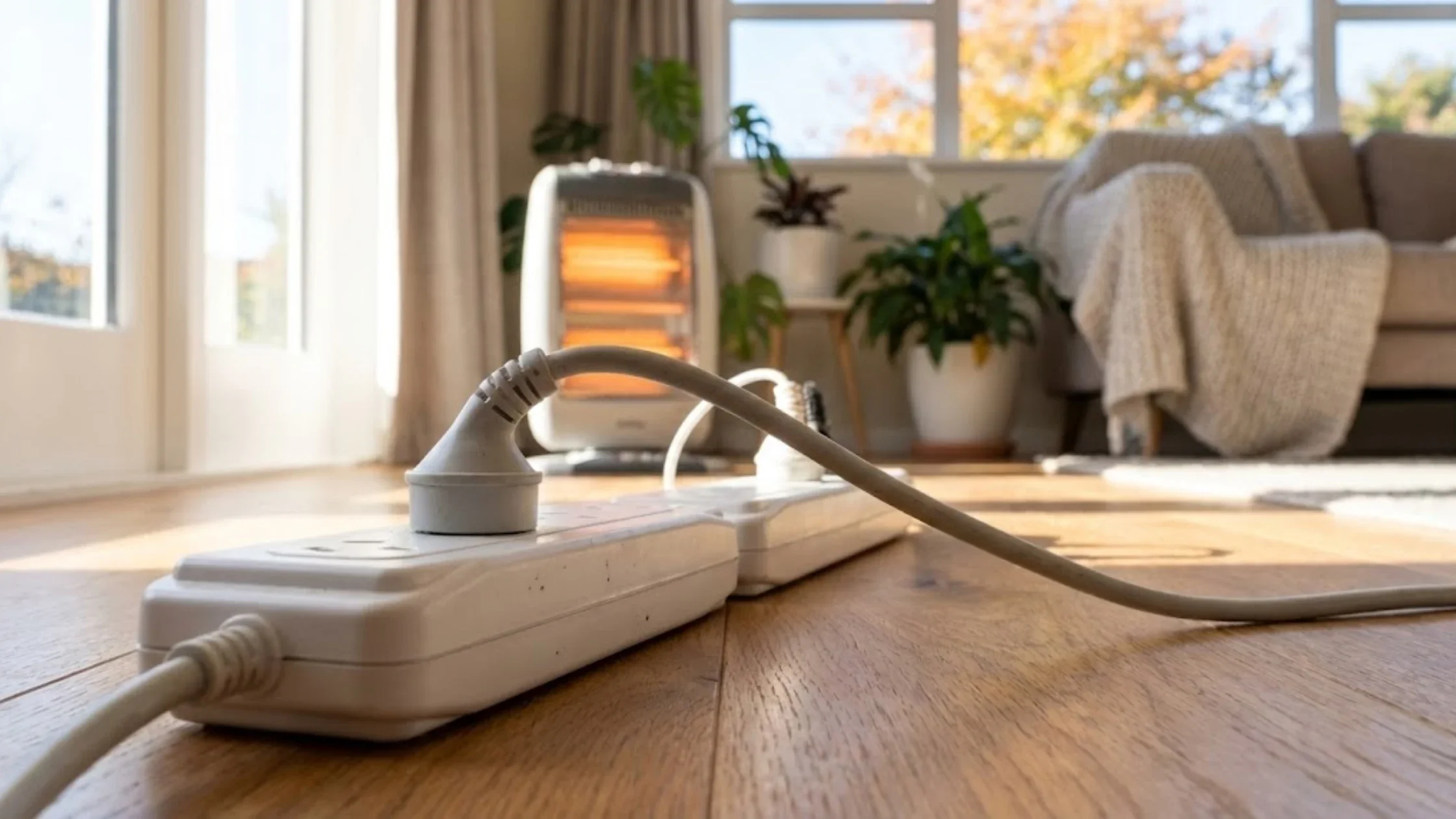
Why Your Power Boards Shouldn't Be "Best Friends"
Imagine it’s a chilly March morning in Nelson. The Tasman breeze is biting, so you pull your heater closer to your desk, plug it into a power board, and then realize that board doesn't reach the wall. You grab another power board, plug the first one into it, and—presto—you have power. It feels like a clever fix, doesn't it?
In the electrical world, we call this "daisy-chaining." While it looks like a simple way to get more reach, it is actually one of the most common causes of house fires in New Zealand. As we move our heaters and home office gear indoors for the autumn, understanding why this "quick fix" is a major hazard could save your home and your family.
At Mako Electrical, we believe safety starts with education. Let’s look at why plugging multi-plugs into each other is a risk you simply shouldn't take.
Key Takeaways for a Safer Home
Never plug a power board into another. Always go straight to the wall.
Check for heat. If a plug feels warm to the touch, unplug it immediately.
High-power equals wall-only. Heaters should never live on a power board.
Look for the reset button. Use power boards with built-in overload protection.
When in doubt, add a socket. It is cheaper to install a new outlet than to repair fire damage.
What exactly is Daisy-Chaining?
Daisy-chaining happens when you plug one power board (or extension lead) into another to extend your reach or add more sockets. It’s tempting because it solves a problem immediately. However, power boards are designed to be plugged directly into a wall socket—and only a wall socket.
When you link them together, you are asking a single wall outlet to do far more work than it was ever built for. It’s like trying to force a whole river through a tiny garden hose; eventually, something has to give.
Why Is It a Fire Hazard?
Every power board has a limit on how much electricity it can carry. When you daisy-chain, you bypass the safety features that prevent overloading power leads.
The main danger is heat. As electricity flows through multiple connections, resistance builds up. This resistance creates intense heat. Because most power boards are made of plastic, they can melt or catch fire long before your circuit breaker even knows there is a problem. In a busy home or office, this heat can sit unnoticed behind a desk or under a rug until it’s too late.

The Problem with High-Wattage Appliances
March is the time when Nelson locals start reaching for space heaters. These devices use a lot of "juice." If you plug a heater into a daisy-chained setup, you are almost guaranteed to overload the system. Unlike a lamp or a phone charger, a heater pulls a constant, heavy flow of electricity. This makes electrical fire hazards much more likely.
To keep your home safe, always plug high-wattage appliances—like heaters, kettles, and washing machines—directly into the wall. If your plug doesn't reach, it’s time to call a professional to install a new, safe power point.
How Mako Electrical Can Help
You shouldn't have to play "musical chairs" with your plugs just to stay warm or get your work done. At Mako Electrical, we specialise in making Nelson homes safer and more functional. Instead of relying on risky extension leads, we can install permanent, high-quality power outlets exactly where you need them.
Whether you are setting up a new home office or preparing your living room for winter, we provide expert electrical services that give you peace of mind. Let’s make sure your home is powered safely this season.
Contact Mako Electrical today for a safety check or a free quote!
Frequently Asked Questions
-
No, it is never safe to plug one power strip into another. This is called daisy-chaining, and it can quickly lead to overloading power leads. Power strips are only designed to handle a specific amount of electricity from a wall outlet. When you link them, you increase the electrical resistance, which creates extreme heat. This heat can melt the plastic casing and start a fire before your fuse box even trips. To stay safe, always plug your power board directly into a permanent wall socket. If you need more outlets, contact a local electrician to install them.
-
The most common office hazards include overloading power leads, using damaged cords, and daisy-chaining power boards. Many people try to run computers, monitors, printers, and heaters off a single multi-plug. This creates a high risk of overheating. Another hazard is "piggy-backing" plugs or hiding power boards under rugs where heat cannot escape. To prevent fires, ensure your equipment has plenty of ventilation and avoid using old, frayed extension leads. Regularly checking your plugs for discolouration or a burnt smell is a great way to catch a problem before it starts.
-
If your circuit breaker trips, it is a safety sign that you are drawing too much power. This often happens when you have high-wattage items like heaters or kettles plugged into a power board alongside other devices. It is a warning that you are overloading the circuit. If this happens often, you should stop using that outlet and have an electrician check your wiring. Continuing to reset the breaker without fixing the load can lead to permanent damage to your home’s electrical system or even an electrical fire.
-
Most electricians recommend against plugging any high-wattage heater into a power board, even if it is the only device plugged in. Heaters draw a large, constant amount of current that many domestic power boards aren't built to sustain for long periods. The internal components can overheat, leading to a fire. The safest option is to always plug your heater directly into the wall. If your heater won't reach the wall socket, it is much safer to have a professional move the socket than to risk using an extension lead.
-
Signs of an overloaded power lead include plugs that feel hot to the touch, a faint smell of burning plastic, or brown scorch marks around the socket holes. You might also notice your lights flickering when you turn on a specific appliance, or hear a buzzing or crackling sound coming from the outlet. If you see or smell any of these things, unplug everything immediately. These are "near-miss" signs of a fire. It’s best to have a qualified electrician inspect your home’s wiring to ensure everything is up to modern safety standards.
-
A basic power board just gives you extra sockets, while a surge protector helps block sudden spikes in electricity that could damage your expensive electronics. However, neither of them is designed to be daisy-chained. Even a high-quality surge protector can become an electrical fire hazard if it is plugged into another extension lead. For the best protection for your TV or computer, use a high-quality surge protector plugged directly into the wall, and never overload it with high-heat appliances like hair dryers or heaters.
-
While a double wall socket can technically hold two power boards, it doesn't mean the wiring behind the wall can handle a massive load. A standard NZ wall circuit is usually rated for 10 or 2400 watts. If you plug in a 2000W heater and a 500W computer system, you are already over the limit. Instead of counting plugs, count the "watts." To be safe, keep heavy-use items on their own wall sockets and use power boards only for low-power items like lamps, phone chargers, and clocks.
-
Yes, old power boards can be very dangerous. Over time, the internal connections can loosen, and the plastic can become brittle. Older models often lack modern safety features like "overload protection" (the little red reset button). If your power board is several years old, looks discoloured, or has a loose cord, it’s best to throw it away and buy a new one with a built-in safety switch. It’s a small price to pay for preventing a house fire during the cold winter months.
-
Kitchens are high-risk areas because of the mix of water and high-power appliances like kettles, toasters, and air fryers. Using extension leads or daisy-chaining in the kitchen is dangerous because these appliances pull a lot of power quickly. Steam and splashes can also get into the multi-plug sockets. If you find yourself needing more plugs in your kitchen, it is much safer to have an electrician install extra "GPOs" (General Purpose Outlets) on your splashback or island bench.
-
If you see smoke, smell burning, or see sparks, safety is the priority. If it is safe to do so, turn off the power at the main switchboard (the fuse box) first. Do not try to pull the plug out if you see active sparks or flames, as you could get an electric shock. Once the power is killed at the source, use a fire extinguisher rated for electrical fires (Type E) if a fire has started. Never use water on an electrical fire. Once the area is safe, call a professional electrician to investigate the damage.
