
Where Should RCD Installation Be Prioritised in Older NZ Homes?
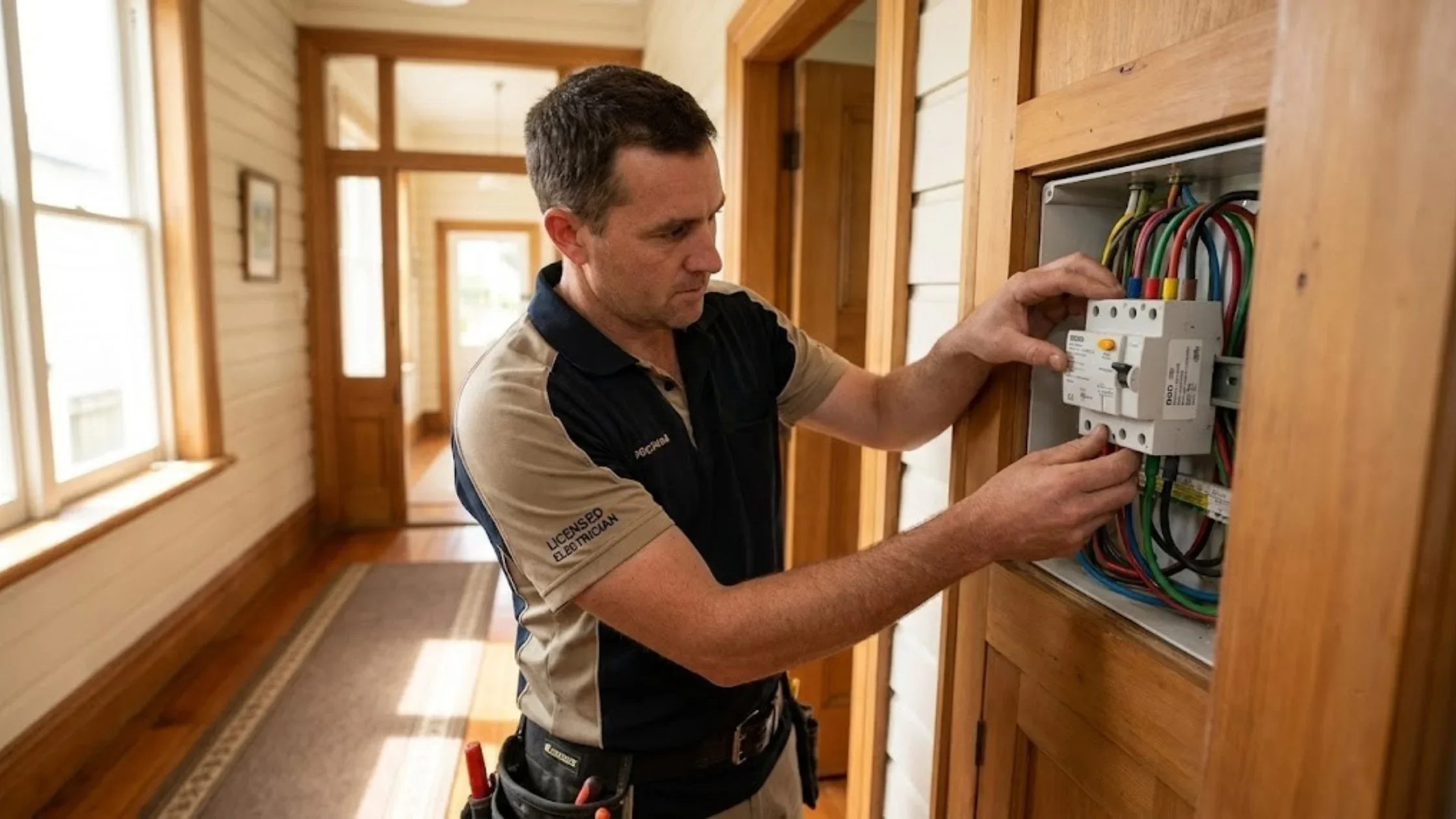
Here's the honest truth: most older Nelson Tasman homes were never built with today's electrical safety in mind, and that gap can put your family at real risk every single day. If your house was wired before the early 1990s, there's a good chance whole sections of it are still running without residual current device (RCD) protection — the safety switch that can stop a fatal shock in under 30 milliseconds. You don't need to rewire the entire house overnight. But you do need to know exactly which circuits matter most, and why waiting could cost far more than money.
Quick Answer
Kitchens and bathrooms should be your absolute first priority, because water and electricity meet there daily.
Outdoor power points, garages and sleepouts come next, since damp, dust and DIY tools raise the risk of a fault.
Any renovation is the perfect, cost-effective moment to add RCD protection while walls are already open.
A licensed electrician can usually add RCD protection to priority circuits in a single visit, without a full rewire.
If your switchboard has no RCD switches at all, treat this as urgent, not optional.
What This Guide Covers
This guide walks you through precisely where RCD installation delivers the biggest safety return in an older New Zealand home, room by room and circuit by circuit. You'll learn why some areas of your house are genuinely more dangerous than others, what the current wiring rules actually require, and how to plan an upgrade that fits your budget without cutting corners on safety. Whether you're a homeowner in Nelson, Tasman, Richmond or Motueka wondering where to start, or you're already mid-renovation and deciding what to add while the walls are open, you'll find a clear, practical answer here.
Key Takeaways
RCDs cut off power almost instantly when they detect a leak of electricity to earth, which is what causes most fatal shocks.
Older homes (pre-1990s) were often wired with fuses only, and many still have zero RCD protection on their switchboard.
Wet areas — kitchens, bathrooms, laundries and outdoor circuits — carry the highest shock risk and should be upgraded first.
Garages, sleepouts and outbuildings are frequently missed during past upgrades, despite housing power tools and damp conditions.
Renovations are the cheapest time to add RCD protection, since walls, ceilings and switchboards are already accessible.
Why Older NZ Homes Fall Behind on RCD Protection
Not every homeowner understands which circuits benefit most from modern RCD protection, and that's completely understandable — wiring standards have shifted several times over the decades, and most people only think about their switchboard when something trips or stops working. Modern rules require every final sub-circuit, including lighting and fixed appliances, to be fitted with a residual current device, but that requirement is relatively recent in the life of a typical New Zealand house. A villa in Nelson built in the 1920s, or a 1970s weatherboard bungalow in Richmond, was almost certainly wired long before this rule existed — and unless it's had a partial rewire or an upgrade since, it may still be running on borrowed time.
This is where experience matters. A local electrician who has opened up dozens of Nelson Tasman switchboards can usually tell you within minutes which circuits are protected and which aren't, simply because the pattern repeats across the region's housing stock: original wiring on the lighting and power circuits, no earth leakage protection, and a hodgepodge of "upgrades" bolted on over the years. Under current wiring rules, every final sub-circuit — lighting included — is meant to carry RCD protection, but that standard is relatively new in the lifespan of a typical New Zealand house. Understanding this gap is the first step to prioritising your own upgrade sensibly, rather than guessing.
Where RCD Installation Should Be Prioritised First
Not every circuit carries the same level of risk, so not every circuit needs to be first in the queue. Below is the order that genuinely matters, based on where water, moisture and human contact overlap most often.
1. Kitchen Circuits
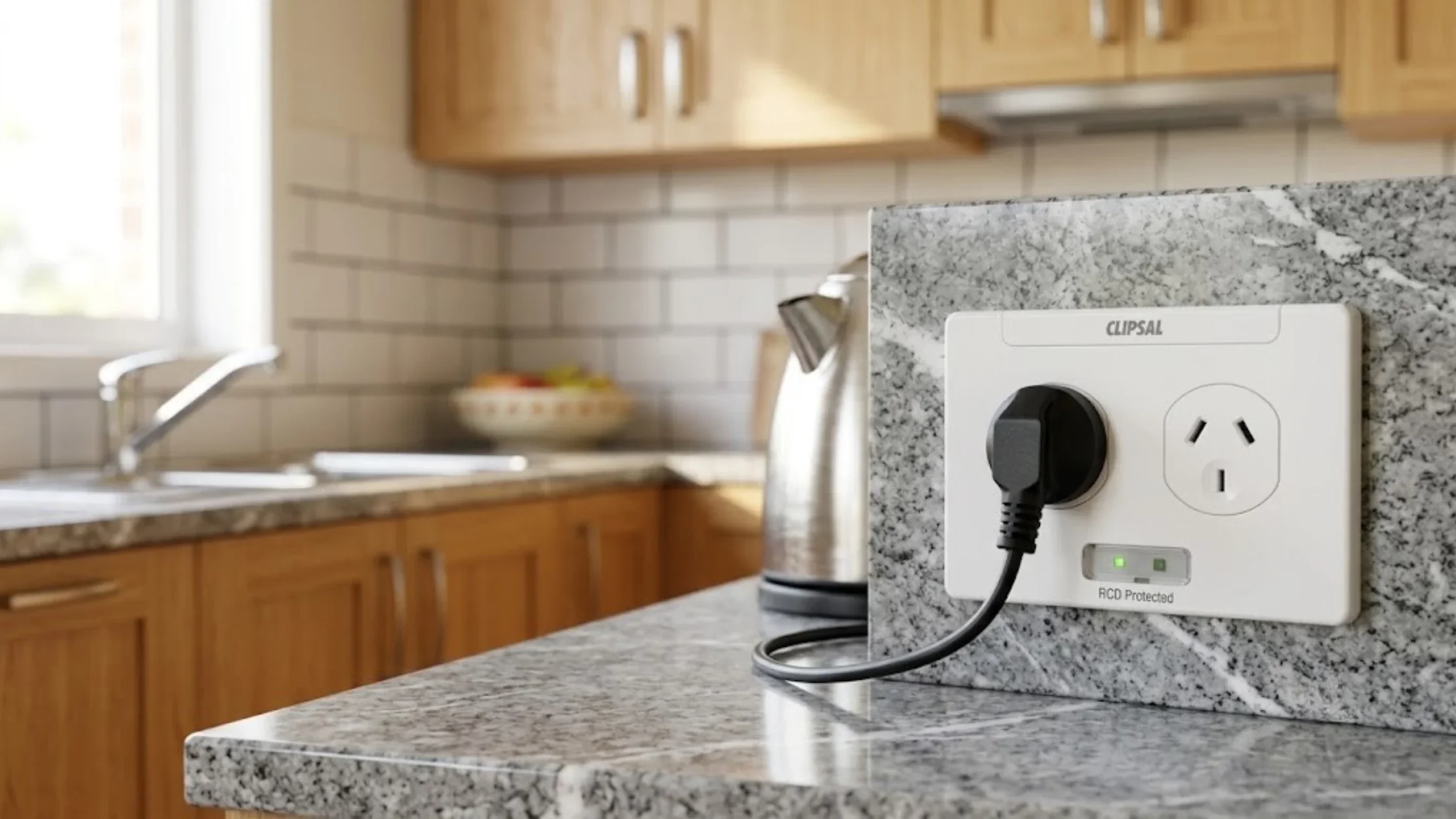
Your kitchen is arguably the single most electrically active room in the house, and it's also full of water — the sink, the dishwasher, the jug, wet hands reaching for a toaster. A fault in a benchtop socket or an ageing appliance cord can become dangerous in seconds without RCD protection sitting between you and the fault. Kitchens should sit at the very top of your priority list, alongside bathrooms, and it's one of the areas Mako Electrical addresses directly through kitchen and bathroom electrical upgrades in Nelson.
2. Bathroom Circuits
Bathrooms combine water, tiled floors and often bare skin, which makes them the highest-consequence room in the entire house if something goes wrong electrically. Heated towel rails, shavers, hairdryers and underfloor heating all draw power close to water sources. If your bathroom's power points or heating circuit are still running off original wiring with no RCD, this is not a "someday" job — it belongs right after the kitchen on your list.
3. Outdoor Power Circuits
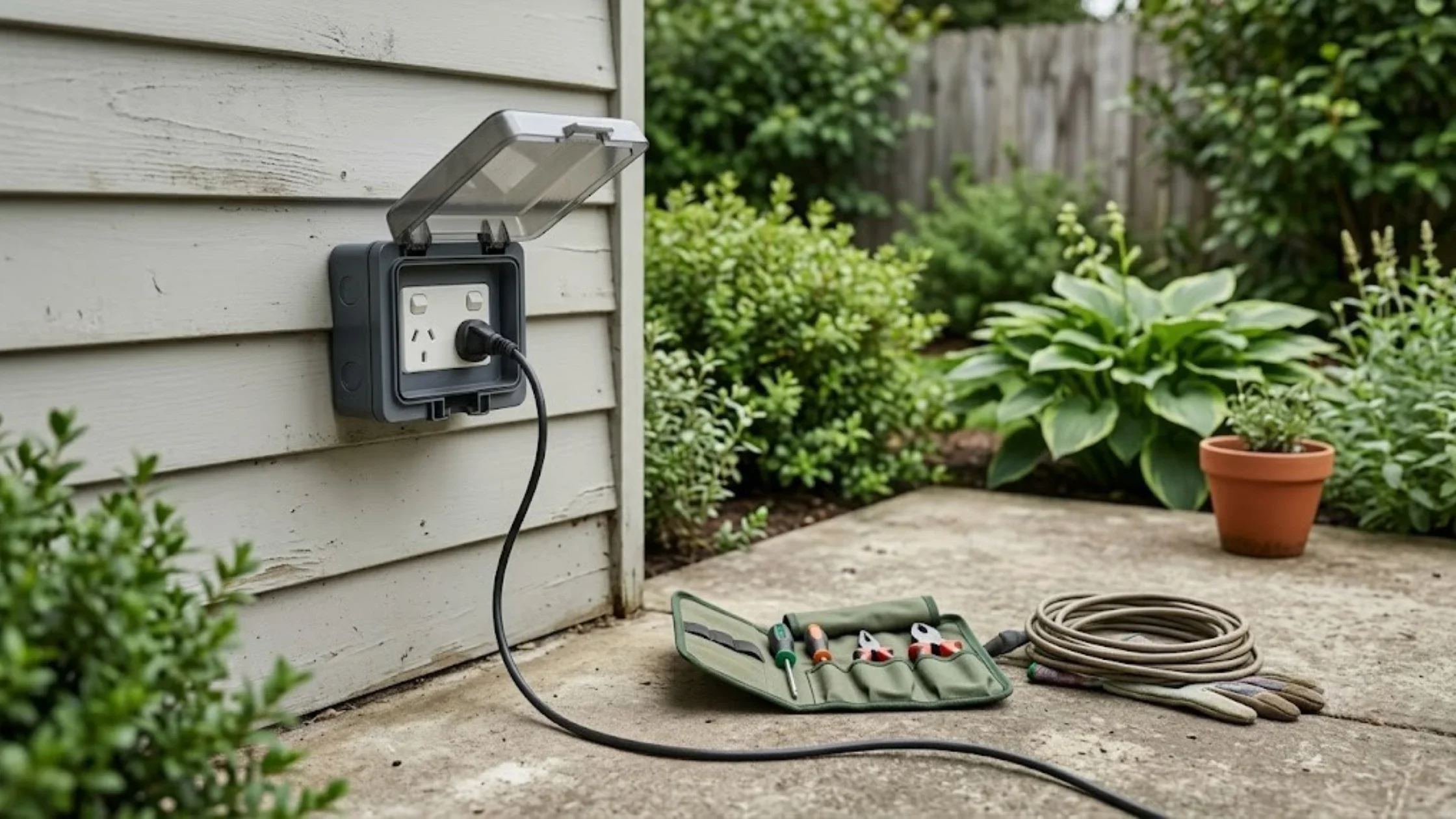
Rain, humidity and temperature swings all attack outdoor wiring in ways indoor circuits never experience. Garden lighting, outdoor power points, spa pools and pumps are constantly exposed to moisture, and older outdoor circuits were frequently added as an afterthought, sometimes without any weatherproofing standard at all. If you plug a lawnmower, pressure washer or extension cord into an outdoor socket that isn't RCD-protected, you're relying entirely on luck.
4. Garages and Workshops
Garages are where power tools, extension leads and damp concrete floors collide, and that combination is exactly what RCDs are designed to guard against. Many older Nelson Tasman garages were wired as a low priority afterthought during the original build, often sharing a circuit with something else entirely. If you use your garage for anything more than storage — a table saw, an angle grinder, a battery charger — RCD protection there is not optional.
5. Sleepouts and Outbuildings
Sleepouts, sheds turned into offices, and detached studios are easy to overlook because they feel separate from "the house." In practice, they're often wired with a single extension circuit run years ago, with no earth leakage protection whatsoever. If anyone sleeps, works or spends regular time in a sleepout, it deserves the same safety standard as any bedroom in the main house.
6. Renovation Zones
Whenever you renovate — a new kitchen, an extra bathroom, a deck rebuild, an added room — you're already paying to open up walls, ceilings and switchboards. This is the single most cost-effective moment to add RCD protection, because the labour to access the wiring is already being paid for. Mako Electrical folds this straight into renovation electrical work across Nelson Tasman, so safety upgrades happen alongside the build rather than as a separate, more expensive job later.
Quick Reference: Circuit Priority at a Glance

What Happens If You Delay
Putting off RCD installation doesn't make the risk disappear — it just makes the eventual fix more expensive and the interim exposure longer. A worn appliance cord, a nail through a wall cable, or a corroded outdoor socket can all cause a fault at any moment, and without an RCD, the only thing standing between that fault and a serious injury is chance. Wiring rules require any RCD fitted to a home to be correctly matched and installed for the type of load it protects, which is exactly why this isn't a job for a weekend DIY attempt — incorrect selection or installation can leave you with a false sense of security. Beyond safety, insurers and buyers increasingly ask about RCD coverage, so an unprotected switchboard can also complicate a future sale or claim.
Why Trust Mako Electrical With Your RCD Upgrade
Mako Electrical has spent years working inside older Nelson Tasman homes, which means the team already knows the wiring quirks, fuse-box layouts and switchboard limitations that show up again and again across the region's villas, bungalows and weatherboard cottages. Every RCD installation is carried out by a licensed electrician, tested on completion, and explained in plain language — no jargon, no upsell, just a clear picture of what's protected and what still needs attention. You can see the full scope of residential work, including residential electrical services in Nelson and power point and outlet installation across Nelson Tasman, or explore the full range of services if you're unsure where your home currently stands.
Take the Next Step
You don't need to guess which circuits are safe and which aren't. A short switchboard assessment from Mako Electrical will tell you exactly where you stand, and which areas — kitchen, bathroom, outdoors, garage, sleepout or an upcoming renovation — should be prioritised first for your household and budget. Get in touch with Mako Electrical today to book an assessment, or learn more about the team on the About Mako Electrical page before you call.
Conclusion
RCD installation isn't about ticking every box in the house at once — it's about protecting the rooms and circuits where water, tools and daily life meet electricity most often. For most older Nelson Tasman homes, that means starting with the kitchen and bathroom, moving to outdoor circuits, garages and sleepouts, and treating any renovation as a built-in opportunity to close the gap. Getting this order right keeps your family safer without blowing the budget on an unnecessary full rewire. If you're unsure where your own home sits, a proper assessment beats a guess every time.
Frequently Asked Questions
-
Kitchens and bathrooms come first because they combine water, appliances and frequent hands-on use, making them the highest-risk areas for electric shock. Outdoor circuits, garages and sleepouts follow closely behind, especially if they're used for tools or damp-prone tasks regularly.
-
Many older homes were wired decades before current safety rules required RCDs on every circuit. Unless the property has had a partial rewire, upgrade or renovation since, the original wiring may still have no earth leakage protection at all.
-
The best time is while walls, ceilings and switchboards are already open for other work. Adding RCD protection during a renovation avoids paying twice for access, and it's far cheaper than a standalone upgrade later.
-
Bathrooms combine water, damp air, tiled floors and bare skin, all of which increase the danger of a shock if a fault occurs. This mix makes bathrooms one of the two top-priority rooms for RCD protection in any home.
-
Outdoor sockets and lighting are exposed to rain, humidity and temperature changes that indoor wiring never faces. Many were added years after the original build without full weatherproofing, which raises the chance of a fault developing unnoticed.
-
Garages and sleepouts often feel separate from the main house, so they're overlooked during past renovations. In reality, they combine damp floors, power tools and sometimes daily occupancy, all of which make RCD protection just as important as in the main dwelling.
-
If your switchboard still uses old fuses, shows no RCD test buttons, or hasn't been assessed in over ten years, it's time for a check. A short assessment quickly reveals which circuits are covered and which still carry risk.
-
RCDs must be selected and wired correctly for the specific load and circuit type they protect, and incorrect installation can create a false sense of safety. Licensed electricians test every RCD after fitting to confirm it trips correctly and protects the intended circuit.
-
During a full rewire, RCD protection is built into every final sub-circuit as standard practice under current wiring rules. This makes a rewire one of the most thorough ways to bring an entire older home up to modern safety standards at once.
-
Insurers increasingly ask about electrical safety features when assessing risk or processing claims, and a lack of RCD protection can complicate both. Keeping your switchboard current isn't just about safety day-to-day — it can also protect you financially if something does go wrong.
