
When the crisp winter air rolls into the Nelson Tasman region, our beautiful hills look amazing with a dusting of snow. The mornings get very frosty, and the night air becomes freezing cold. To stay warm, we all rush inside to turn on our big heaters, plug in our electric blankets, and keep the lights on for longer. This sudden change means our homes use a lot more electricity than they do in the summer. Your wires and power points have to work extra hard to keep your family warm and comfortable.
Because your home is working so hard, winter can place a lot of stress on your electrical system. This stress can cause hidden problems to turn into big dangers, like broken wires or sudden fires. No one wants to deal with a broken heater or a power outage in the middle of a freezing cold Richmond night. Taking a few minutes to check your home right now can save you from big troubles later.
As local experts who care about our community, the team at Mako Electrical wants to make sure your house stays safe and warm all through the colder months. We have put together a simple list of seven important checks that you can do before the temperature drops too low. These easy tips will help protect your family, your pets, and your beautiful home.
Key Takeaways
Check all your winter heaters and electric blankets for broken cords before you turn them on.
Never plug too many big appliances into a single multi-plug power board because it can cause a fire.
Test your smoke alarms every month so you know they will wake you up in an emergency.
Look for warning signs like flickering lights, buzzing sounds, or warm plastic plugs.
Get a professional electrician in Nelson to look at your main switchboard if your home is older.
Why Winter Strains Your Nelson Home
When the weather changes, our habits change too. We stop spending our time outside in the sun and start staying cosy indoors. We turn on heat pumps, plug in portable heaters, use electric blankets to warm up our beds, and run clothes dryers much more often. All of these machines require a massive amount of power to create heat. When your home pulls this extra power through the walls, your wires can warm up. If your wires are old or damaged, they might not be able to handle this extra work safely.
Many beautiful houses around Nelson South, Stoke, and the wider Tasman district are older villas and family homes. These houses have a lot of charm, but their electrical systems were built a long time ago. They were never designed to run multiple modern appliances all at the same time. Understanding how your home uses power is the first step toward keeping everything safe. By spending a little bit of time checking your appliances and plugs now, you can enjoy the winter months with complete peace of mind.
1. Inspect Your Heating Appliances Closely
Before you plug in that portable heater that has been sitting in the back of your cupboard all summer, you need to give it a very close look. Dust can gather inside the heater over the sunny months, and cords can get chewed by pests or squished by heavy boxes. Look closely at the plastic coating on the wire to make sure it is not cracked, peeled, or showing the metal wires inside. If a cord looks damaged, it can cause a nasty shock or spark a fire on your carpet.
It is also important to give your electric blankets a thorough inspection before putting them on your bed. Lay the blanket completely flat on top of the floor and feel along the inner wires with your hands. If you feel any sharp bends, bunched-up wires, or burnt patches on the fabric, you should throw the blanket away immediately. Running a broken electric blanket under your heavy duvet can cause extreme heat to build up very quickly while you are asleep.
2. Stop Overloading Your Multi-Plug Power Boards
It is very tempting to use multi-plug power boards when you do not have enough wall outlets near your bed or couch. However, plugging too many things into one board is one of the most common causes of house fires in New Zealand. High-energy items like heaters, kettles, and dryers should always be plugged directly into their own wall socket rather than a shared extension cord.
Power boards are only meant for small things that use low energy, like your television, computer, or phone charger. When you combine a heater and a hair dryer on the same multi-plug board, the board can melt from the inside out. If you find that you are constantly relying on extension cords to stay warm, it is a smart idea to look into expert residential electrical services Nelson to have extra, safe wall sockets installed where you need them most.
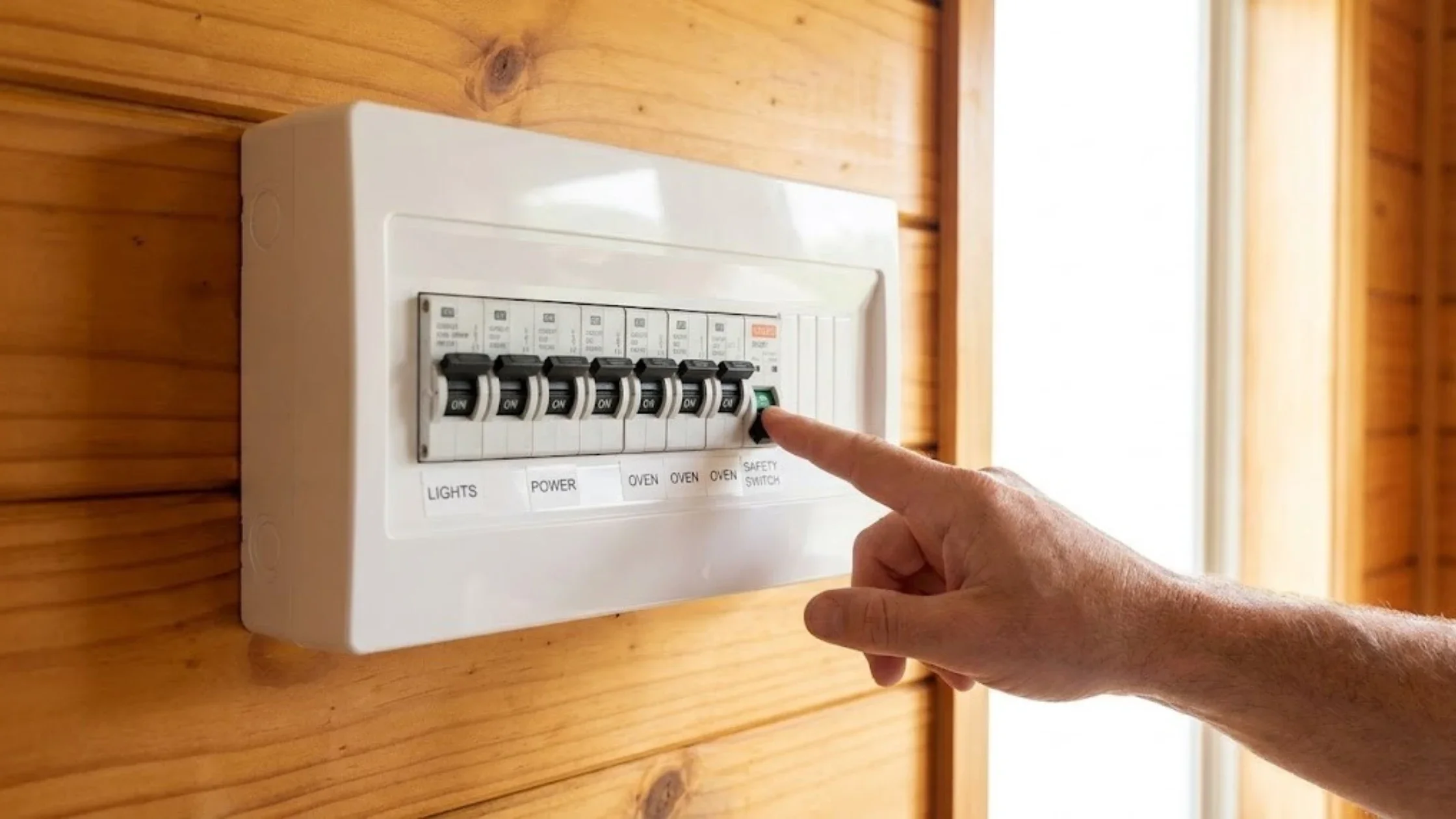
3. Examine Your Main Switchboard
Your switchboard is the brain of your whole house. It controls how power moves into your rooms and cuts the power if something goes wrong. If your home still uses old-fashioned fuse boxes with thin wire wrapped around ceramic holders, your system might be outdated. These old systems take a long time to turn off the power when a wire gets too hot, which increases the risk of a fire.
Modern switchboards use helpful devices called RCDs, which stand for Residual Current Devices. These are smart safety switches that constantly watch the flow of power. If they notice that power is leaking or doing something dangerous, they flip it off in a tiny fraction of a second to save you from an electrical shock. Checking your switchboard box for any strange clicking sounds, hot plastic smells, or burn marks can save you from a major breakdown when the winter cold peaks.

4. Test Every Smoke Alarm in the House
Because we cook more inside and use heavy heating equipment during winter, the danger of a house fire goes up significantly. Smoke alarms are your silent guardians that watch over your family while you are resting. You should test every single smoke alarm in your home once every month by firmly pressing the test button until it makes a loud, clear beeping sound.
If your alarms do not make a sound, or if they make a weak chirping noise, you must change the batteries right away. It is also good to remember that smoke alarms do not last forever; they need to be completely replaced with brand new units every ten years. Cleaning the dust out of your alarms with a gentle vacuum cleaner before winter will also stop them from going off accidentally when you are cooking a warm winter meal.
5. Check Outdoor Lights and Exposed Wires
Winter does not just bring cold temperatures; it also brings lots of rain, strong winds, and heavy dampness to Nelson. Water and electricity are sworn enemies. If you have outdoor garden lights, security sensors, or power wires leading to your shed, you need to make sure they are fully sealed against the weather.
Look at your outdoor light fittings to see if any plastic covers have cracked or come loose over the hot summer. If rain water gets inside a live light bulb fitting, it can cause a short circuit that turns off all the power inside your house. If you notice any wires hanging loosely from your roof or running across your paths where they could get damaged, you should keep away from them and seek professional guidance.
6. Watch Out for Flickering Lights and Warm Outlets
Your home will usually give you some small clues before an electrical emergency happens. If you notice that your lights dim or flicker when your heat pump turns on, it means your wiring is struggling to deliver enough power. Another major warning sign is a wall switch or plug socket that feels warm to the touch or looks discoloured.
You should also use your ears to listen out for any strange buzzing or sizzling noises behind your walls when you turn on your appliances. These noises mean that electricity is jumping across a gap in a broken wire, which creates intense heat. If you notice any of these strange signs, you should turn off the switch and contact an expert electrician Nelson to find the problem before it gets worse.
7. Book a Professional Electrical Safety Inspection
While doing your own visual checks is a fantastic way to keep your home safe, many electrical dangers hide deep behind your plaster walls and ceilings where you cannot see them. Mice can chew on wires in the attic, and old tape can peel away from ancient connections. The absolute safest way to prepare for winter is to have an expert technician inspect your entire property.
A licensed professional has special tools that can test the health of your hidden wires without opening up your walls. They can tell you exactly how much load your system can take and fix small issues before they cause an emergency breakdown. Investing in a professional check-up gives your family the ultimate safety net so you can focus on enjoying a cosy, warm winter.
Let Mako Electrical Protect Your Home This Winter
At Mako Electrical, we believe that a safe home is a happy home. We have been helping families across the beautiful Nelson and Tasman region stay safe and warm for years. Our friendly, experienced team understands the unique needs of local houses, from historic villas to modern seaside homes. We treat every home we visit with the utmost respect and care.
You can explore our full range of professional services on our main services page to see how we can assist you with everything from light installations to full switchboard upgrades. If you want to learn more about our values and our commitment to high-quality work, feel free to read our story on our about page.
Do not wait for the freezing winter temperatures to arrive before finding out if your electrical system can handle the strain. Contact us today through our get in touch page to chat with a friendly team member or book a comprehensive safety inspection for your home. Let us take care of the wires so you can enjoy a warm, stress-free winter season with the people you love.
Frequently Asked Questions
-
Your lights flicker because your heating appliance requires a massive surge of power the exact moment it starts up. If your home has older wiring or a small switchboard, it struggles to supply enough power to both the heater and your light bulbs at the same time. This brief drop in power causes the lights to dim momentarily and is a sign your system should be checked.
-
No, you should never plug a portable heater into a multi-plug power board or extension cord. Heaters use a massive amount of energy, which can easily overload the thin internal wires of a power board. This causes the plastic casing to melt or catch fire. Always plug heavy heating appliances directly into their own dedicated wall socket to ensure safety.
-
You should test all your smoke alarms once every single month by pressing the built-in test button until you hear a loud beep. Testing them regularly ensures the batteries are working and the internal computer is active. It is also important to completely replace your smoke alarms with brand new units every ten years because the internal sensors degrade over time.
-
The most common signs of an overloaded system include circuit breakers regularly tripping, fuses blowing, and lights dimming when you turn on extra appliances. You might also notice a faint buzzing sound from your switches, a hot plastic smell near your power points, or wall plates that feel warm to the touch. These are all serious warnings that need immediate attention.
-
Old ceramic fuses are much less safe than modern circuit breakers and RCD safety switches. They take much longer to cut the power when a wire overheats, which gives electrical fires more time to start. They also do not protect your family from dangerous electric shocks. Upgrading to a modern switchboard is one of the best ways to keep an older home safe.
-
To check your electric blanket, lay it completely flat on the floor and run your hands over the surface. Feel for any bent wires, internal bunches, or hard lumps, and inspect the outer fabric for any brown burn marks. If the cord is frayed or the blanket looks damaged, do not plug it in. It is best to replace old blankets every few years to avoid fire risks.
-
If a wall outlet feels warm, you must unplug everything from it immediately and turn off the corresponding switch at your main board. A warm outlet means the wires inside are loose or failing, which creates dangerous heat that can cause a house fire. Keep the outlet empty until a licensed professional can inspect and repair the connection safely.
-
If your circuit breaker trips during heavy rain, it usually means water is getting into an outdoor light fitting, garden power point, or exposed wire. Water conducts electricity easily and causes a short circuit when it touches live connections. A local expert can locate the leak and install weatherproof covers to stop moisture from disrupting your home.
-
A safety switch, or RCD, is a smart device built into your switchboard that monitors the electricity flowing through your home. If it detects that electricity is leaking into an unsafe path, such as through a person or a damp wall, it shuts off the power in less than a blink of an eye. This rapid action prevents severe electric shocks and saves lives.
-
A standard professional electrical safety inspection for a typical family home usually takes between one and three hours to complete. During this time, the technician will test your switchboard, check your wall outlets, inspect visible wiring, and ensure your grounding system is secure. It is a quick and non-invasive process that provides complete peace of mind.
