
Cheap Electrician vs Licensed Electrician in Nelson: What Are You Really Paying For?
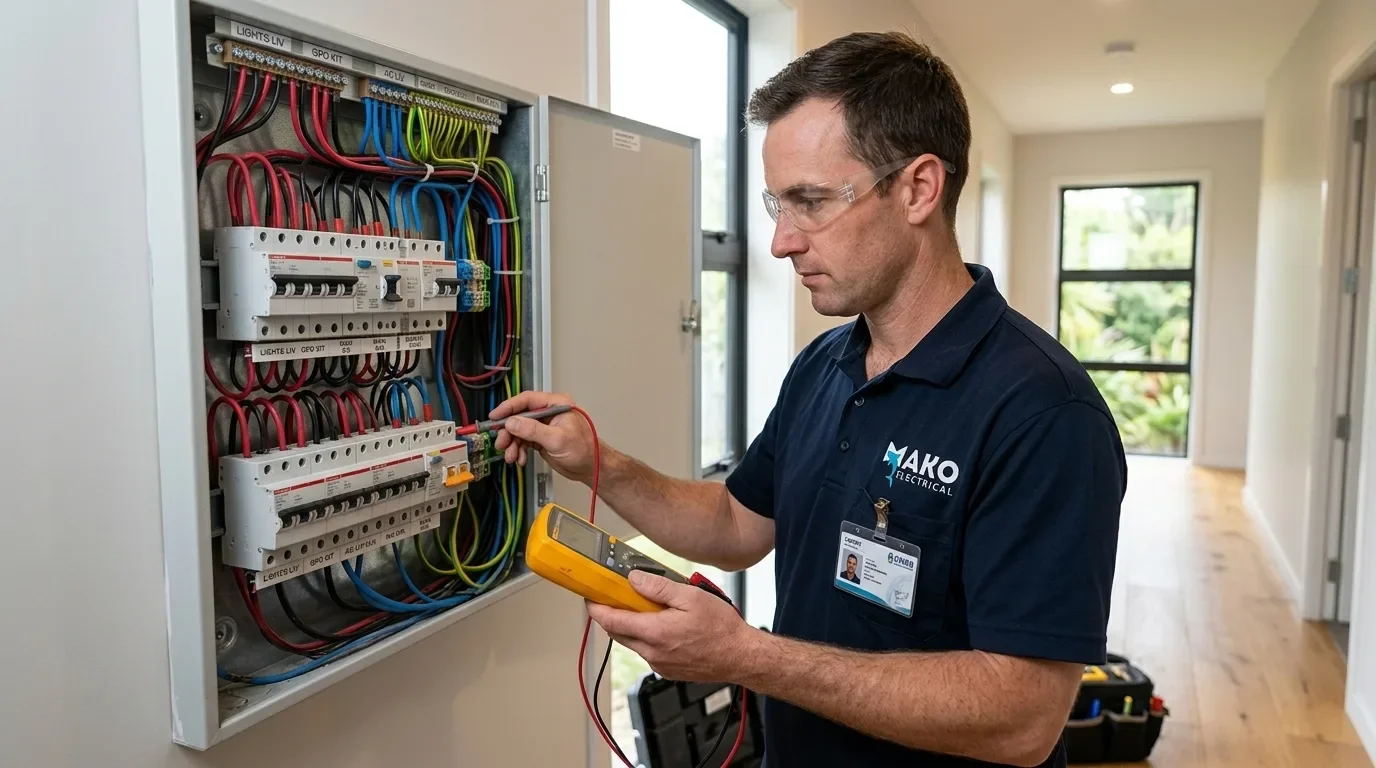
A cheap electrician quote and a licensed electrician quote can look similar on paper, but they are not the same product. Only a licensed electrician can legally issue a Certificate of Compliance, keep your home insurance valid, and use materials rated for Nelson's damp, coastal conditions. Unlicensed work can void your insurance, fail a house sale, and cost more to fix than it would have cost to do properly the first time. This guide explains the real risk, shows a real Nelson case study, and gives you a simple way to check if your electrician is legit.
Key Takeaways
A cheap, unlicensed electrician cannot legally issue a Certificate of Compliance, no matter what they promise.
Unlicensed work can void your home insurance if it later causes damage or a fire.
EWRB prosecutions show fines from roughly $1,200 to $10,800 for unlicensed or negligent electrical work in NZ.
Cheap jobs often need a costly "rescue" repair, meaning you pay twice.
Checking a licence on the EWRB public register takes minutes and protects your home, your insurance, and your resale value.
The $200 Question Every Nelson Homeowner Asks
You have a job that needs doing. Maybe it is a flickering light, a socket that has stopped working, or a new oven that needs wiring in. Whatever the job, it is worth knowing the full range of electrical services you can actually hire someone for in NZ before you start comparing quotes. You get two quotes. One is $200 cheaper than the other. It is tempting to take the cheaper one and put the difference towards something else.
Here is the honest answer: that $200 saving is not really a saving. It is a bet. You are betting that the cheaper person has the training, the insurance, and the legal right to do the work safely. Sometimes that bet pays off. Often, in Nelson and Tasman, it does not, and homeowners end up paying for the same job twice.
This guide breaks down exactly what you get with a licensed electrician that you do not get with a cheap, unlicensed operator, using real New Zealand rules and a real local case, so you can make the call with your eyes open.
What's the Real Risk of Hiring an Unlicensed Electrician in NZ?
The biggest risk is not a slightly untidy job. It is a legal and financial one. In New Zealand, most electrical work in a home is classed as "prescribed electrical work" under the Electricity Act 1992. Only a person registered with the Electrical Workers Registration Board (EWRB) is allowed to carry it out.
When someone without a licence does this work anyway, two things happen. First, the EWRB can and does prosecute. Public EWRB and Ministry of Business, Innovation and Employment case records show unlicensed workers fined for jobs like leaving live wires exposed on a kitchen bench, overloading a subcircuit until it burned the switchboard, and installing a hot water cylinder so badly that the homeowner only avoided a house fire because they smelled burning in time. Fines in these cases have run from around $1,200 up to $10,800, plus court costs, and the person still has no licence at the end of it.
Second, and more importantly for you, the homeowner carries the risk, not the unlicensed worker. If that dodgy wiring starts a fire in your home, you are the one dealing with the damage. This is why checking a licence is not a box-ticking exercise. It is the difference between a professional standing behind their work and you being on your own if something goes wrong.
The Hidden Costs Behind a "Bargain" Quote
A cheap quote usually hides its real cost in one of three places: your time, your materials, or your safety.
The slow worker trap. An experienced, licensed electrician can often find a fault in twenty minutes because they know exactly what to test and in what order. A less experienced, cheaper operator might charge a lower hourly rate but take three hours to find the same fault. Do the maths and the "expensive" option is often cheaper on the final invoice.
Materials that do not last. Nelson and Tasman properties deal with coastal humidity and salt air, which is hard on cheap, unbranded electrical components. Corners cut on materials tend to show up as corrosion, overheating, or failure within a year or two, not as a problem on day one when it would be obvious.
Safety shortcuts you cannot see. Once the wall is closed up, you cannot see whether the wiring was rated for the load, whether the earthing is correct, or whether a circuit was overloaded to save time. These faults sit quietly behind your walls until a switchboard overheats, an appliance fails, or worse.
What You're Actually Paying For With a Licensed Electrician
When you hire a licensed electrician, the higher line-item price is not for the same job with a nicer invoice. You are paying for training, accountability, and paperwork that protects you long after the job is finished.
A licensed electrician has completed a recognised apprenticeship, passed EWRB assessments, and keeps their registration current through ongoing training. They are legally required to test their own work, follow the AS/NZS 3000 wiring standard, and take responsibility if something they installed later fails. An unlicensed or "handyman" operator can offer none of this, no matter how confident they sound on the phone. If you want to understand exactly where the legal line sits between an electrician and a general handyman, our guide on electrician versus handyman legal limits in NZ covers it in plain terms.
It is also worth knowing the difference between an "electrician" and an "electrical contractor," since both terms get used loosely in quotes. We explain that distinction, and why it matters for who is legally responsible for your job, in electrician vs electrical contractor in NZ. If you are new to the process, our guide on what locals should expect from a residential electrician in Nelson Tasman sets out exactly what a properly licensed job should look like from first call to final sign-off.

The Certificate of Compliance: Your Legal Safety Net
Every piece of prescribed electrical work in New Zealand needs a Certificate of Compliance (CoC), or an Electrical Safety Certificate for simpler jobs. Only a licensed electrician can legally issue one.
This certificate is not just paperwork for its own sake. It is proof, held on record, that the work was inspected, tested, and meets New Zealand's safety standards. You need it if you ever sell your home, since buyers' lawyers routinely ask for CoCs on any visible electrical work. You need it to install things like heat pumps or spa pools that draw on the household wiring. And you need it to keep your insurance valid, which brings us to the next point. Our detailed guide on what a Certificate of Compliance actually covers walks through exactly what to check for on yours.
An unlicensed worker simply cannot issue this document, no matter what they promise. That means any "cheap" job without a licensed electrician behind it leaves you with an invisible gap in your paper trail, one that only shows up when you actually need it.
Insurance and Resale: The Silent Deal-Breakers
Most New Zealand home insurance policies contain a condition that electrical work must be carried out by a licensed, registered professional. It is easy to skim past this clause until the day you need to make a claim.
If a fire, a power surge, or water damage is later traced back to electrical work that was not done by a licensed electrician, your insurer has legal grounds to decline the claim outright. That is not a small inconvenience. For a family home, it can mean losing tens or hundreds of thousands of dollars in cover at the exact moment you need it most.
The same problem resurfaces at resale. A buyer's building inspector or lawyer who spots electrical work without a matching CoC on file will usually flag it, which can slow down a sale, trigger a price reduction, or force you to pay a licensed electrician to inspect and re-certify the work before settlement can happen. This is exactly why electrical inspections before buying a home in Nelson matter just as much on the buying side as the selling side. In either case, the "saving" from the cheap job gets clawed back, usually with interest.
Cheap Electrician vs Licensed Electrician Nelson: A Side-by-Side Look

Real Nelson Case Study: The Richmond Kitchen Reno
This is a real pattern we see often at Mako Electrical, and it shows exactly how a "cheap" job turns expensive.
A Richmond family hired a handyman to move a few power points during a kitchen upgrade. His quote was well below the electricians they had spoken to, so they went with him to save money. A week after the reno finished, the new oven kept tripping the power every time it was used.
When our team inspected the wiring, we found the cable running to the oven was under-rated for the amount of power the appliance actually drew. It was not a cosmetic fault. It was a fire risk sitting behind a freshly painted wall. We had to strip out the new wiring, source the correct cable, and redo the entire circuit from scratch, this time issuing a proper Certificate of Compliance.
By the time the family added up the handyman's original invoice and our correction job, they had paid roughly $600 more than if they had simply hired a licensed electrician from the start. That does not include the week of stress, the disrupted kitchen, or the fact that their insurance would very likely have declined a claim if that fault had caused a fire before it was caught.
How to Check If an Electrician Is Actually Licensed
You do not need to take anyone's word for it, and you should not have to. Every licensed electrical worker in New Zealand is listed on the EWRB's public register, which is free to search online using their name or licence number. A genuine licensed electrician will also happily show you a physical or digital licence card on request, and will not hesitate if you ask.
If someone quoting you seems reluctant to confirm their licence details, treat that as a warning sign rather than an oversight. It costs nothing to check, and it takes less time than reading this paragraph. If you are unsure whether previous work in your home was ever properly checked, our guide on what happens during a professional electrical inspection in NZ homes explains what a licensed electrician actually looks for.
Key Benefits of Choosing Mako Electrical
Mako Electrical is a licensed, locally based residential electrician serving Nelson, Stoke, Richmond, Wakefield, Motueka, Brightwater, and the wider Tasman area. Every job we take on comes with full EWRB registration, a Certificate of Compliance where required, and materials chosen to hold up against Nelson's coastal weather rather than the cheapest option on the shelf.
We would rather explain a quote clearly than win a job on price alone. If you want to see how our pricing compares across common jobs, our 2026 electrician cost guide for Nelson Tasman breaks it down honestly, and our page on residential electrical services in Nelson covers the full range of work we handle, from simple repairs to full house rewiring and switchboard upgrades. You can also read more about what sets a fully qualified Master Electrician apart in our piece on master electrician certification and inspection standards.
Protect Your Nelson Home Today
Your home's wiring is not the place to gamble on a bargain price. If you have upcoming electrical work, or you are unsure whether previous work in your home was done properly, get in touch with Mako Electrical for an honest, upfront quote and a proper safety check. Not sure what booking a licensed electrician actually involves? Our step-by-step guide to booking a residential electrician in Nelson Tasman walks through the whole process, from first enquiry to final Certificate of Compliance.
Request Your Professional Electrical Quote Here
So, What Are You Really Paying For?
Cheap and licensed are not two prices for the same job. They are two different products: one comes with legal compliance, insurance protection, and accountability built in, and one does not. Once you weigh in the risk of a voided insurance claim, a failed house sale, or a rewiring job done twice, the "expensive" quote is very often the cheaper choice in the long run.
Frequently Asked Questions
-
The main risks are fire, electric shock, and losing your insurance cover. NZ law requires prescribed electrical work to be done by an EWRB-licensed worker, and courts have fined unlicensed operators for jobs involving exposed live wires and near house fires. Unlicensed work also cannot receive a Certificate of Compliance.
-
Most licensed electricians in Nelson Tasman charge between $80 and $120 per hour, depending on the job's complexity and any call-out fee. A detailed, itemised quote should include labour, materials, and confirmation that a Certificate of Compliance will be issued once the work is finished.
-
They should hold current registration with the Electrical Workers Registration Board (EWRB), shown by a practising licence card. Many also hold Master Electrician status, which adds an extra workmanship guarantee. You can verify any of this instantly on the EWRB's free public register.
-
Search the EWRB's public online register using the electrician's name or licence number. It is free and takes under a minute. A genuine licensed electrician will never be reluctant to confirm their details or show you their card if asked.
-
Yes. Most NZ insurance policies require electrical work to be carried out by a registered professional. If damage or a fire is later linked to unlicensed work, insurers can legally decline the claim, which can mean losing full cover on your home.
-
A Certificate of Compliance (CoC) is a legal document a licensed electrician issues after finishing prescribed electrical work, proving it meets NZ safety standards. You need it for insurance, for selling your home, and for installing things like heat pumps or spa pools.
-
Watch for flickering lights, warm switch plates, breakers that trip often, a burning smell near outlets, or messy, daisy-chained wiring. These are among the most common electrical repairs Nelson homeowners call about, and often point to work that was rushed, under-rated for the load, or never properly tested and certified.
-
Almost always, yes. A licensed electrician's higher rate covers legal compliance, proper testing, and accountability if the work fails later. Handymen cannot legally do most electrical work or issue a Certificate of Compliance, leaving you exposed to insurance and safety risks.
-
Cheap jobs often use under-rated materials or skip proper testing, which leads to repeat call-outs, appliance damage, or a full "rescue" rewire later. Our Richmond case study shows a family paying roughly $600 more after a handyman's wiring failed within a week.
-
Look for an itemised breakdown of hourly rate, estimated time, materials, and any call-out fee, plus written confirmation that a Certificate of Compliance will be issued. Be cautious of flat cash-only quotes that skip documentation entirely, as these are a common sign of unlicensed work.
