
Home Ventilation Installation Nelson: Which System Is Right for Your Home?

Home ventilation installation in Nelson is one of the most effective ways to protect your home from moisture damage, improve indoor air quality and create a healthier living environment for your family. With Nelson's mix of warm summers, cool winters and coastal humidity, the right ventilation system isn't a luxury — it's a practical need.
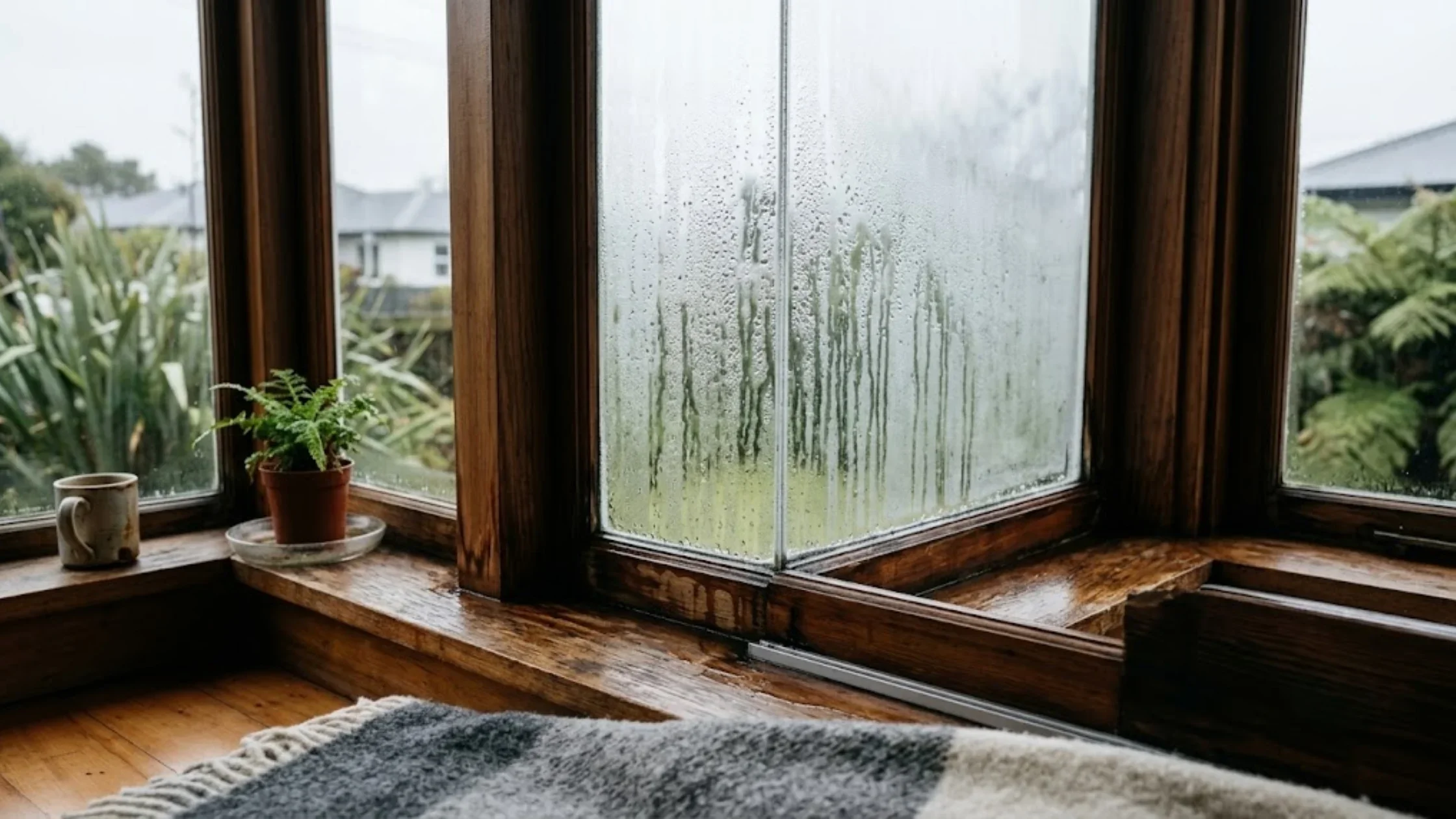
If you've noticed condensation on your windows every morning, a persistent musty smell in the bedroom or mould that creeps into the corners of your ceiling, your home is trying to tell you something. These aren't just cosmetic issues. They're signs of a deeper airflow problem that can damage your home's structure and affect your family's health over time if left unaddressed.
Key Takeaways
Home ventilation installation Nelson is crucial for managing the region's coastal humidity and preventing moisture damage.
The right system depends on your home's age, construction type, and the severity of your moisture problems.
Positive pressure systems suit older homes; balanced HRV systems work better in newer well-sealed builds.
Poor ventilation contributes to health problems such as asthma, allergies, and respiratory infections.
Professional installation ensures compliance with building codes and guarantees the system performs as intended.
Early signs of poor ventilation include condensation musty smells, and mould growth — don't wait for these to worsen.
Why Nelson Homes Are Vulnerable to Moisture
New Zealand homes are built to hold heat, and Nelson homes are no exception. Double-glazing, insulation upgrades and draught-proofing all help reduce heating bills, but they also seal moisture inside. When warm damp air has nowhere to escape, it condenses on cold surfaces and creates ideal conditions for mould and mildew.
Nelson sits in the Tasman region where the climate shifts between dry hot summers and cool, damp winters. Coastal areas around the Tasman Bay add an extra layer of humidity that many homeowners underestimate. If you want to understand how that coastal air has an influence on your ventilation needs, the breakdown of best ventilation systems tasman coastal humidity is worth reading before you make any decisions.
Common moisture sources inside a typical Nelson home include:
Cooking steam from the kitchen
Hot showers in bathrooms without adequate extraction
Drying laundry indoors during wet weather
Breathing and perspiration overnight in bedrooms
Ground moisture rising through unsealed subfloors
Each of these has an impact on the buildup of humidity indoors. Without a ventilation system designed to manage that load, the moisture has nowhere to go.
The Three Main Types of Home Ventilation Systems
Not every ventilation system suits every home. The right choice depends on your home's age, construction type, insulation levels, and the specific moisture problems you're dealing with.
Positive Pressure Ventilation (PPV)
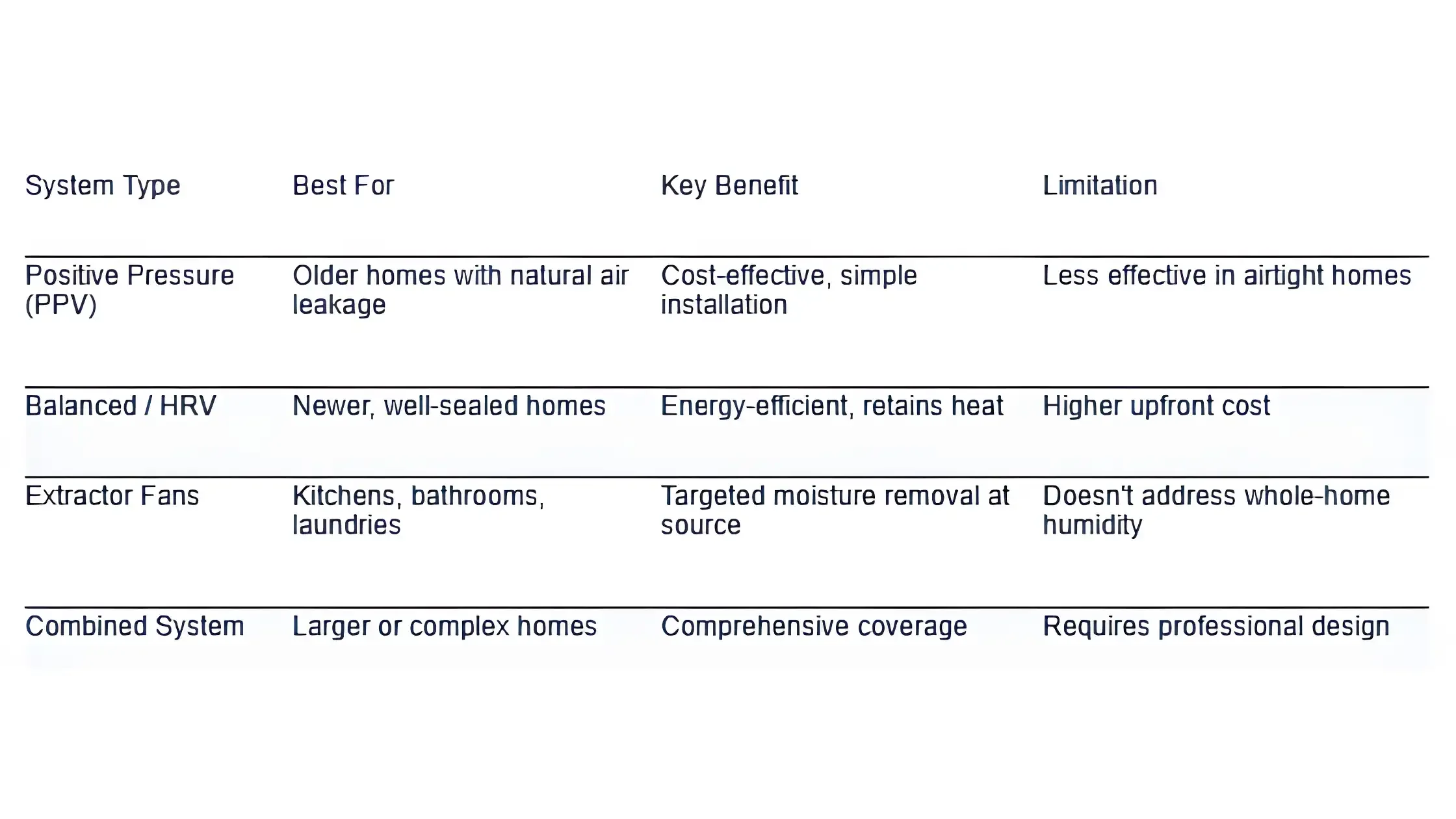
Positive pressure systems draw drier filtered air from the roof cavity and push it into the living areas of your home. As fresh air comes in stale damp air is displaced out through gaps in the building. These systems are well-suited to older New Zealand homes where some natural air leakage exists.
Understanding the science of damp homes positive pressure ventilation gives you a clear picture of why PPV works so well in certain conditions and where its limitations lie.
Heat Recovery Ventilation (HRV) and Balanced Pressure Systems
Balanced pressure systems often called heat recovery ventilation, extract stale indoor air and supply fresh filtered outdoor air at the same time. They recover heat from the outgoing air and use it to warm the incoming air, which makes them efficient in well-sealed newer homes.
If you're upgrading an existing system or moving to an HRV setup, there are some key electrical considerations hrv compatibility you'll want to understand before you proceed around wiring and switchboard capacity.
Extractor Fans
Extractor fans are a more targeted solution used in bathrooms, kitchens, and laundries to remove steam and odours at the source. They work best as part of a broader ventilation strategy rather than as a standalone solution for whole-home moisture control.

How Poor Ventilation Affects Your Family's Health
The health connection is one that too many homeowners overlook until the damage is already done. Poor indoor air quality doesn't just cause discomfort — it has measurable health consequences particularly for children older adults, and anyone with asthma or allergies.
Damp ventilated homes trap:
Dust mites, which thrive in humid environments and trigger allergic reactions
Mould spores, which irritate the respiratory system and can cause persistent lung issues
Volatile organic compounds (VOCs) from cleaning products, paints, and cooking
Carbon dioxide, which builds up overnight in sealed bedrooms and affects sleep quality
The New Zealand Ministry of Health has linked cold, damp homes to higher rates of respiratory illness, hospitalisation, and poor childhood development. Nelson families living in these conditions often report unexplained fatigue frequent colds, and worsening asthma symptoms without realising their home's air quality has an influence on the problem.
The good news is that smart ventilation systems healthier homes nelson have made it possible to monitor and automate indoor air quality in ways that weren't available even five years ago. Modern systems can sense humidity levels and adjust airflow .
What to Expect from a Professional Installation
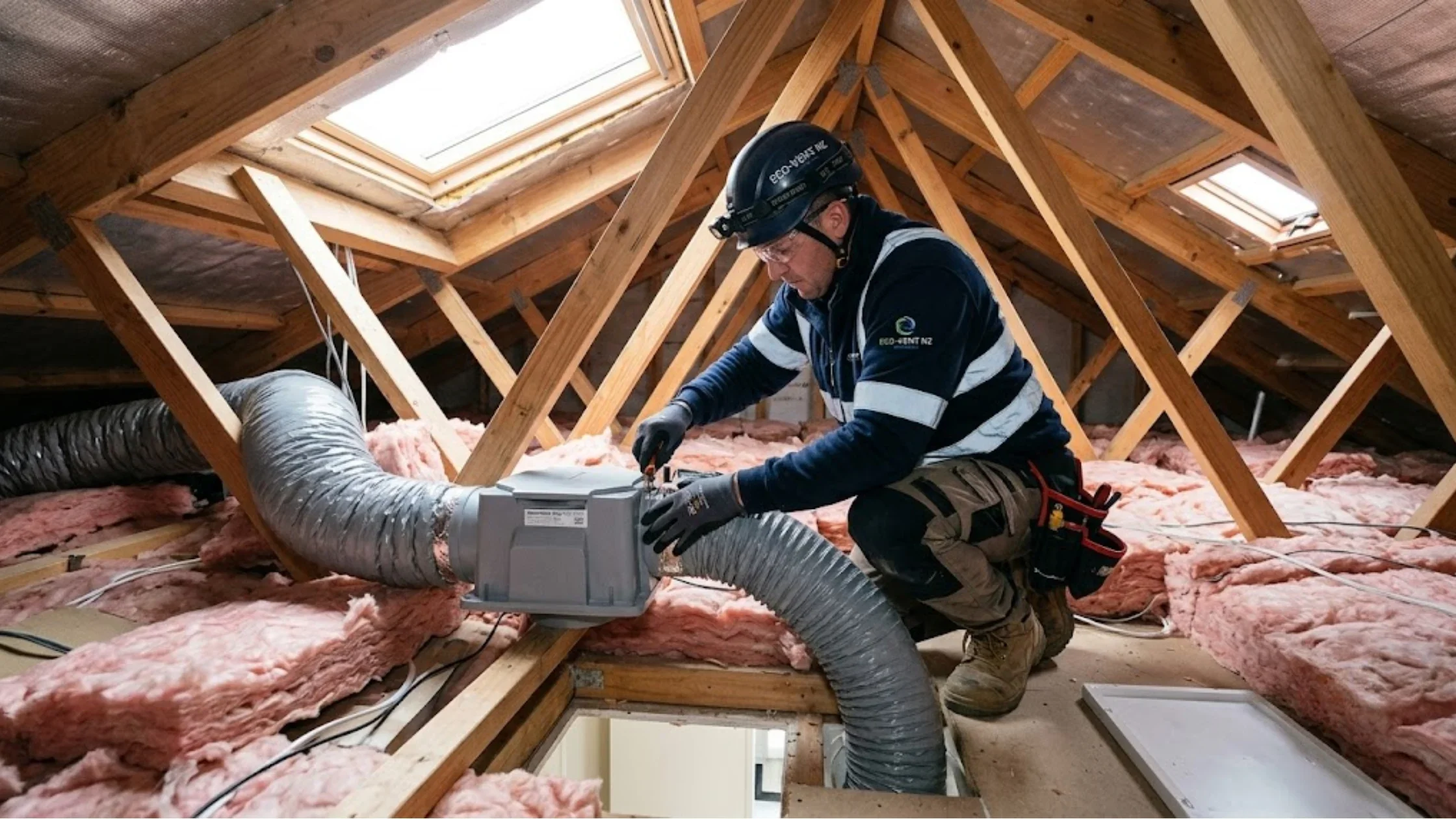
One of the most common mistakes Nelson homeowners make is treating ventilation as a DIY project. The electrical components, roof cavity access, ducting placement, and compliance requirements all demand a qualified electrician and proper planning.
A professional home ventilation installation Nelson process includes:
Initial assessment of your home's layout, insulation, and existing moisture issues
System recommendation based on your specific home type and problem areas
Electrical and structural planning to make sure the installation meets NZ building code
Installation of the main unit ducting, diffusers, and any extractor fans
Testing and commissioning to confirm the system works
Handover and education so you understand how to use and maintain your system
When you get this process right from the start, you save money and avoid frustration. An undersized system won't solve your moisture problem. An installed system can create negative pressure, noise issues, or air leaks that make conditions worse.
To get more detail on what a professional installation involves in this region, the ventilation system installations nelson resource covers local considerations in depth.
Signs Your Nelson Home Needs Your Attention Now
You don't need to wait until mould is growing across your walls. These early warning signs suggest your home's ventilation is already performing below standard:
Condensation on windows that doesn't clear by mid-morning
A musty or stale smell in bedrooms, wardrobes, or cupboards
Mould spots appearing near ceiling edges or in bathroom grout
Paint bubbling or peeling on interior walls
Family members experiencing more frequent coughs, sneezes, or allergic reactions
The house feeling stuffy even after opening windows during the day
If two or more of these apply to your home, it's time to get a professional assessment rather than waiting for the problem to worsen.
Things to Know
Nelson's Tasman coastal location means humidity levels can be higher than homeowners expect even on warm days.
Positive pressure systems draw air from the roof space, which must itself be dry and free from contamination to be effective.
New Zealand's Healthy Homes Standards include requirements for ventilation in rental properties, which means landlords in Nelson may have legal obligations to address.
An energy-efficient ventilation system can reduce heating costs because dry air heats faster and holds warmth better than damp air.
Modern HRV systems can recover up to 85% of the heat from outgoing air, which reduces the energy cost of running the system significantly.
Extractor fans in bathrooms should be sized for the room volume — an undersized fan won't keep up with steam from a long hot shower.
Ready to Sort Your Home's Ventilation?
The best next step is booking a home assessment with a qualified local electrician who understands Nelson's specific climate and housing stock. Mako Electrical offers this kind of tailored advice, and you can get in touch to arrange a no-obligation consultation. Bring a list of the signs you've noticed, the age of your home, and any previous work done on insulation or windows — the more context you provide the more accurate your recommendation will be.

Frequently Asked Questions
-
Positive pressure ventilation is the right choice for older New Zealand homes that have some natural air leakage.
Older homes aren't sealed tight enough for a balanced pressure system to reach peak performance. A positive pressure unit pulls filtered air from the roof cavity and pressurises the living space and pushes damp air out through gaps that already exist. A qualified electrician can assess your home to confirm the right fit.
-
Costs vary based on the system type, home size, and how complex the installation is, but most residential installs range from around $1,500 to $4,500 with labour included.
Basic positive pressure systems are at the lower end of that range, while full HRV systems in larger or more complex homes sit higher. A detailed quote from a local electrician will give you an accurate figure for your specific situation.
-
No — home ventilation systems involve electrical wiring and must comply with New Zealand building and electrical codes, which require a licensed electrician.
Incorrect installation can result in air leaks insufficient moisture removal, noise problems, or even safety hazards. The cost of getting it right the first time is almost always less than fixing a installed DIY system.
-
A well-maintained home ventilation system lasts between 15 and 25 years, depending on the brand, system type, and how well it receives service.
Annual filter cleaning and periodic professional checks are the most essential maintenance steps. Filters that don't receive regular cleaning reduce system effectiveness and can recirculate dust and allergens rather than remove them.
-
Yes — dry air heats more than damp air, so a well-functioning ventilation system can reduce the energy needed to warm your home.
Homes with high humidity need much more energy to reach a comfortable temperature. When you keep indoor humidity under control, your heating system doesn't have to work as hard, which leads to real savings over a Nelson winter.
The Bottom Line on Home Ventilation Installation Nelson
Your home should support your health, not undermine it. Nelson's climate makes moisture management a year-round priority, and the right ventilation system is the most reliable way to stay ahead of damp, mould, and poor air quality. Whether you're dealing with a specific problem right now or simply want to protect your home getting the right system installed by a qualified professional makes all the difference.
Mako Electrical's team understands the local conditions and building stock that Nelson homeowners deal with. You can explore their full range of services or learn more about how they work before you make any decisions. When it comes to homeowners , their residential electrical services nelson cover everything from initial assessment through certified installation. The first step is reaching out — your home and your family's health are worth the conversation.
