
How Does Hot Water Cylinder Wiring Affect Winter Power Bills and Reliability?
Why Your Hot Water Bill Jumps Every Winter
You've noticed it too, haven't you? The power bill lands in July or August, and it's suddenly £40 or £50 higher than it was in summer — sometimes more. Before you blame the weather, it's worth looking somewhere most homeowners never think to check: the wiring behind your hot water cylinder.
Here's the honest truth. Your hot water cylinder is one of the biggest electricity users in your entire home, and in winter it works far harder than in any other season. Cold mains water takes more energy to heat. Showers run longer. Everyone in the house wants hot water at once. If the wiring, thermostat, timer or safety switches behind that cylinder aren't in good shape, you're not just risking a breakdown — you're quietly paying for wasted power every single day.
Poor hot water cylinder wiring drives up winter power bills because a struggling connection, a stuck thermostat, or a badly set timer forces your cylinder to run longer and hotter than it needs to. Loose connections waste energy as heat, old thermostats overheat water you'll never use, and cylinders without a timer or load management run around the clock. A licensed electrician can check, repair, and rewire your system so it heats water efficiently, safely, and only when you actually need it — often within a few hours.
Key Takeaways
Your hot water cylinder is one of the largest power users in your home, especially in winter.
Poor wiring quality wastes energy as heat and forces your cylinder to work harder.
A working timer stops you paying to heat water nobody's using overnight.
A faulty thermostat lets your cylinder overheat water past the point you actually need.
Load management wiring stops your cylinder competing with other appliances for power.
Only a licensed electrician should carry out hot water cylinder wiring work in New Zealand.
Fixing wiring issues early is cheaper, safer, and better for your winter power bill than waiting.
What Hot Water Cylinder Wiring Actually Does
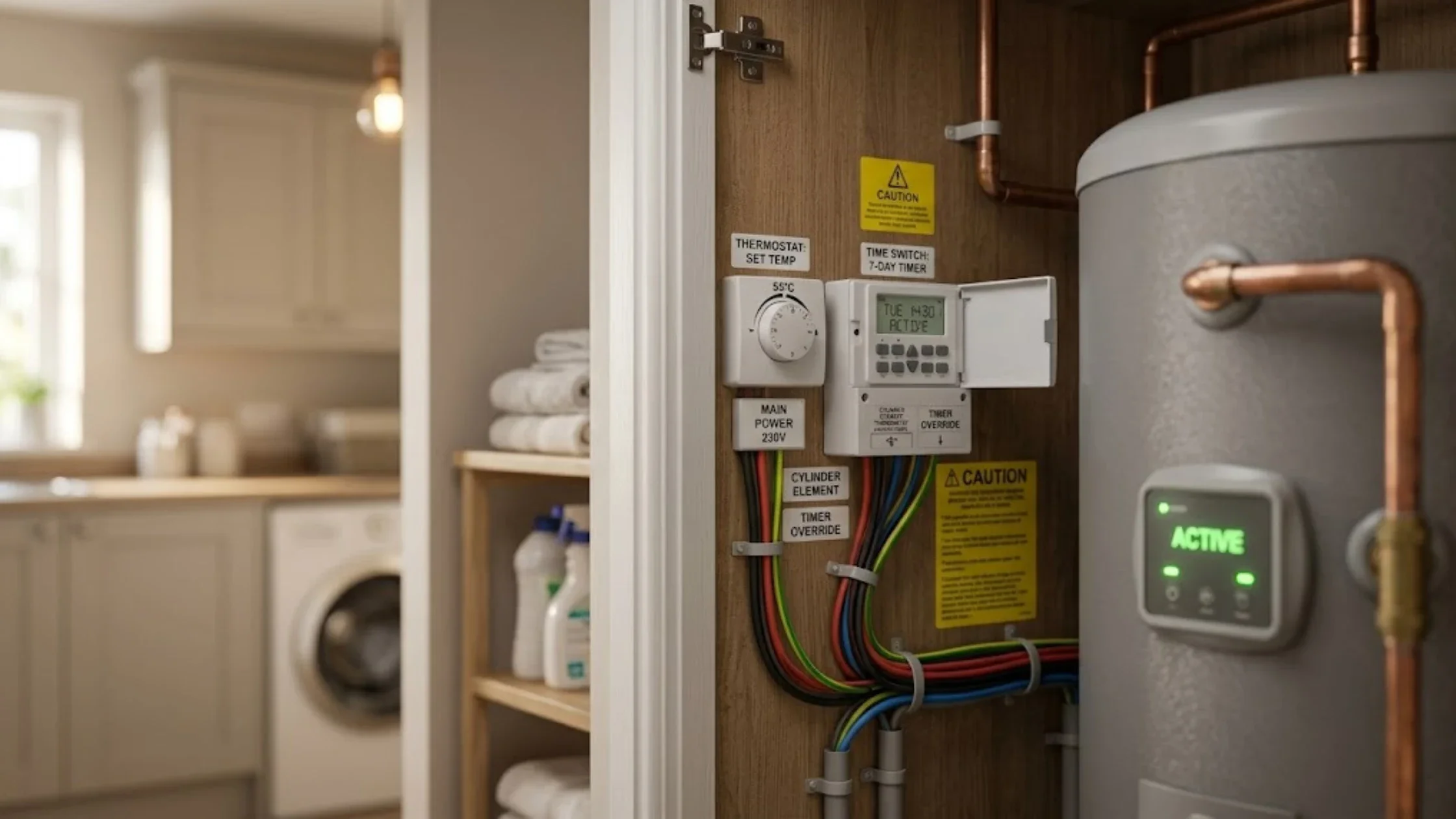
Before going further, it helps to understand what's actually happening behind that cylinder cupboard door. Your hot water cylinder doesn't run on plumbing alone — it depends on a dedicated electrical circuit that supplies power to its heating element, connects to a thermostat that decides when to switch the element on and off, and often links to a timer that controls what time of day the cylinder heats.
Every one of those parts relies on wiring that's correctly sized, properly connected, and free from wear. When that wiring is old, corroded, loose, or was never installed to standard in the first place, the whole system becomes inefficient. The cylinder has to work harder to reach the same temperature, and that extra effort shows up directly on your power bill. It can also become a genuine safety hazard, which is exactly why hot water cylinder wiring is a job for a licensed electrician, never a DIY project.
Wiring Quality: The Hidden Reason Your Cylinder Works Overtime
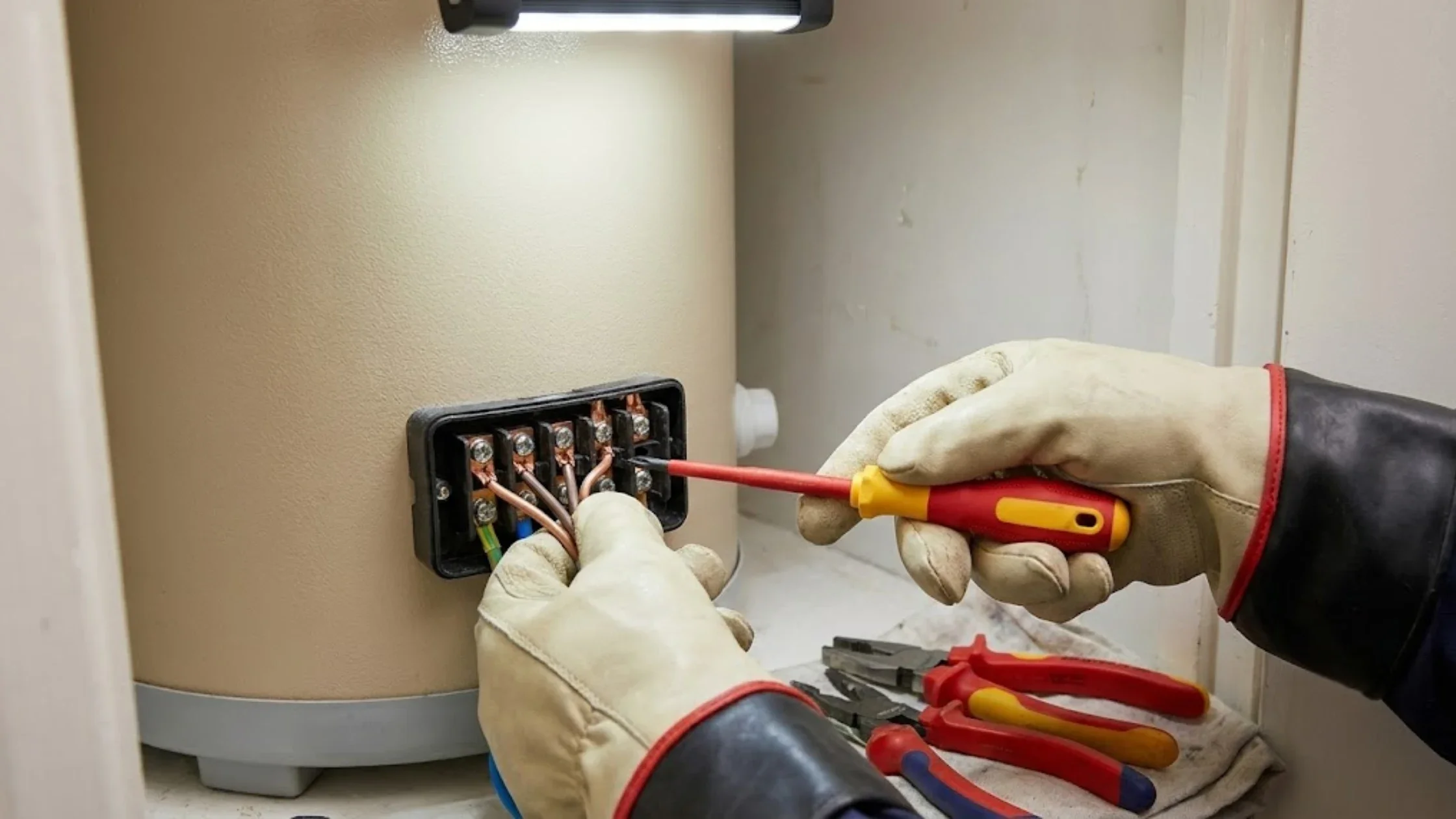
Wiring quality is the foundation everything else depends on. A cylinder with a worn or undersized connection has to push electricity through more resistance, and that resistance turns into wasted heat inside the wall or switchboard rather than heat inside your water tank. Over months of winter use, that inefficiency adds up to real money.
There are a few tell-tale signs your wiring quality has slipped. Your hot water might stop staying hot for as long as it used to. Your switchboard might trip more often, especially on cold mornings when the whole household is using power. Or you might simply notice the cylinder cupboard feels warmer than usual, which often means heat is escaping where it shouldn't. If any of that sounds familiar, our guide on signs your hot water cylinder wiring needs a check-up walks through what to look for room by room.
Older Nelson and Tasman homes are particularly prone to this. Many properties still have wiring from decades ago, sized for a much smaller household electrical load than modern families place on it. If your home falls into that category, it's worth reading about full house rewiring versus a targeted upgrade to see which option suits your situation.
Timers: Are You Paying to Heat Water Nobody's Using?
A hot water timer sounds like a small thing, but it's one of the biggest levers you have over your winter power bill. Without a timer, many cylinders simply run continuously, topping up heat around the clock, including the hours between midnight and dawn when nobody in the house is anywhere near a tap.
A correctly wired timer restricts heating to the periods your household actually needs hot water, such as early morning and early evening. In winter, when the cylinder has to work harder just to reach temperature, this scheduling matters even more than it does in summer. The type of timer matters too. Mechanical timers are simple and reliable, but digital timers give you finer control and can be adjusted more easily as your household routine changes through the seasons. We've compared both options in detail in our article on mechanical versus digital hot water timers, which is worth a read if you're deciding which suits your home.
If your cylinder doesn't have a timer at all, or the wiring for the existing one has failed, that's an easy fix for a qualified electrician and often one of the fastest ways to see a difference on your next bill.

Thermostats: The Small Component with a Big Effect on Your Bill
Your thermostat is the part of the system deciding exactly how hot your water gets and when the element switches off. A thermostat set too high, or one that's faulty and no longer switching off reliably, means your cylinder keeps heating water well past the point you need it. Every extra degree above what your household actually uses is pure waste, and in winter that waste is magnified because the starting water temperature is already so much colder.
A stuck or ageing thermostat is also one of the more common causes of a scalding hot tap or, at the other extreme, water that never quite gets hot enough. Neither situation is something to live with. A functioning thermostat, wired correctly and matched to your household size, keeps your water at a safe, comfortable, and cost-effective temperature — generally around 60 degrees, which is hot enough to be safe from bacteria while not wasting power on excess heat.
Load Management: Sharing Power Sensibly Across Your Whole Home
Load management is the part of the wiring system that decides how your cylinder shares electricity with everything else running in your home — heaters, ovens, dryers, and appliances that all spike in winter. Without proper load management wiring, your hot water cylinder and your other big appliances can end up competing for the same circuit capacity, which is a common cause of tripped switches on cold winter evenings when everything is running at once.
Good load management wiring, often supported by a ripple control connection from your electricity network, allows your cylinder to heat during off-peak periods automatically, easing pressure on your switchboard and your bill at the same time. This is especially relevant for households that have added a spa pool, heat pump, or additional appliances since the home was originally wired, since the electrical load has grown well beyond what the system was designed for.
Electrical Safety: Why This Isn't a Job to Put Off
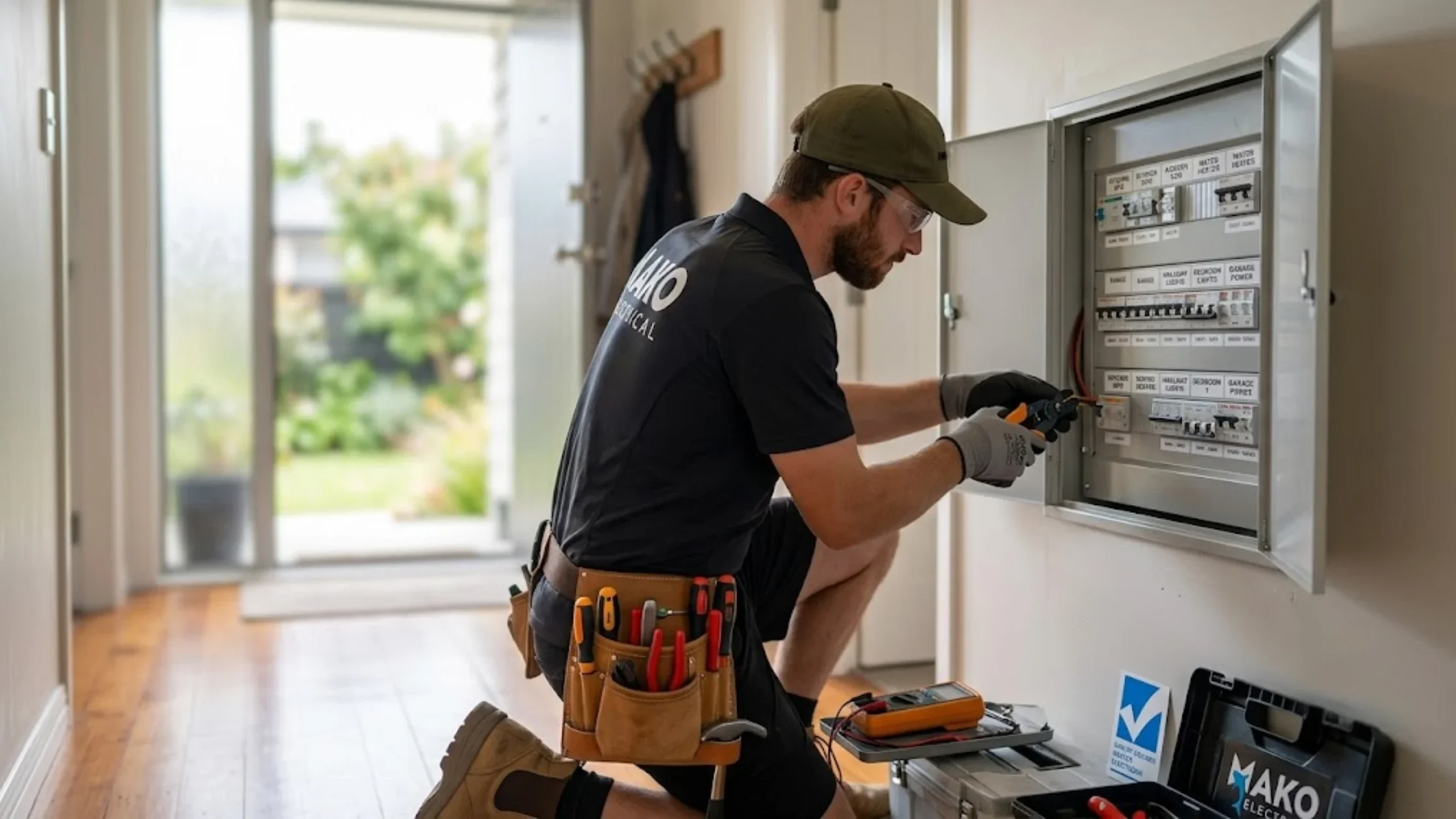
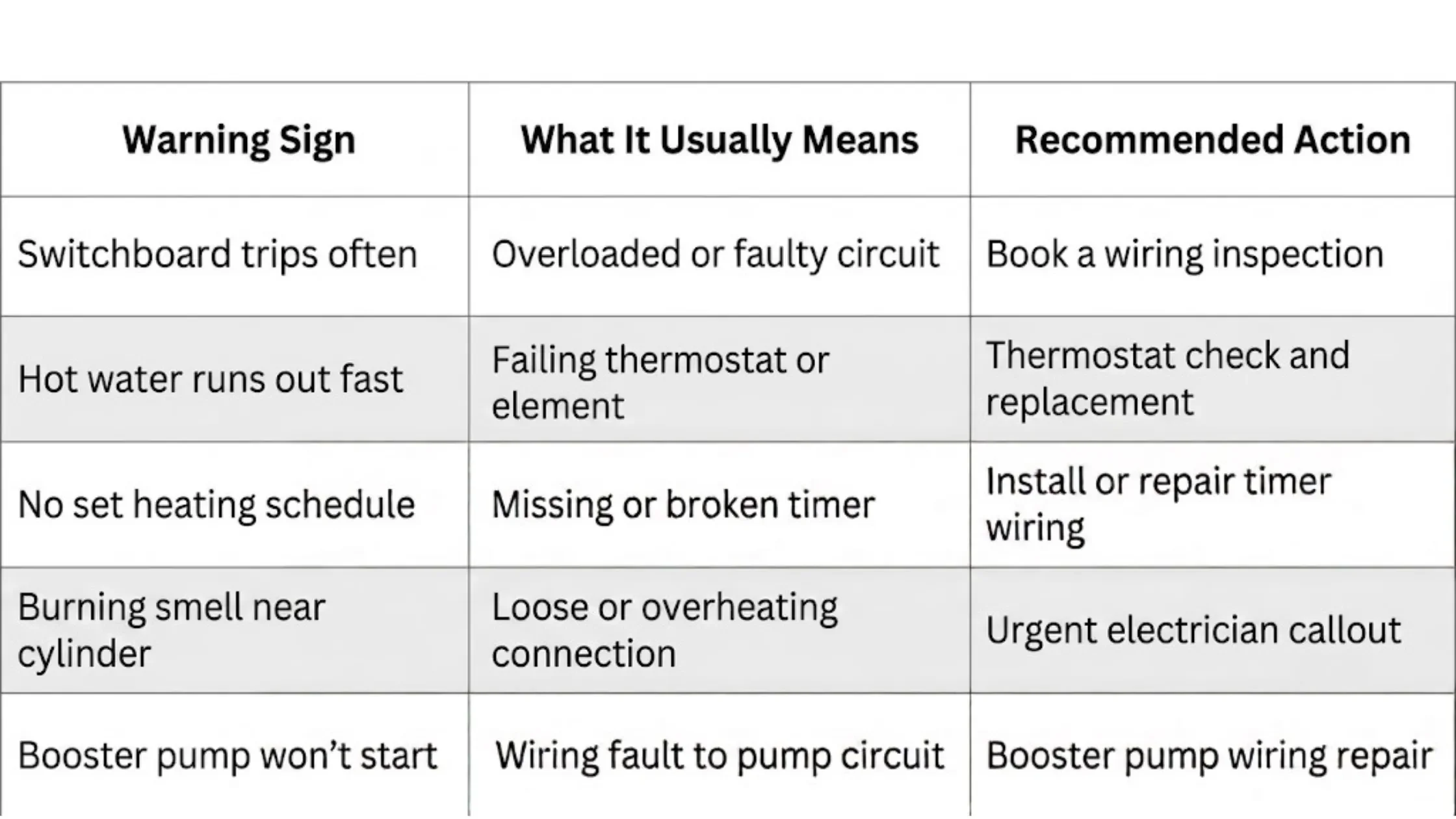
Every point above eventually comes back to safety. Faulty hot water cylinder wiring isn't just an efficiency problem — it's a fire and shock risk, particularly in a component that sits so close to water. Warning signs include a switchboard that trips repeatedly, a burning smell near the cylinder cupboard, discoloured switches, or a booster pump that won't start.
New Zealand law requires a licensed electrician to carry out any wiring work connected to a hot water cylinder, and for good reason. This isn't an area for a confident DIY attempt. If you've noticed any warning signs, our detailed guide to hot water cylinder wiring safety and maintenance explains what a proper safety check involves, and our broader winter electrical safety checklist covers the rest of the home too.
Key Benefits of Getting Your Hot Water Cylinder Wiring Right
Sorting out your cylinder's wiring properly pays off in ways you'll notice quickly. A well-wired system heats water more efficiently, which means lower winter power bills without you having to change your habits. It's also far more reliable, so you're not left with a cold shower on the coldest morning of the year. And because it's done to New Zealand electrical safety standards by a licensed professional, your household is protected from the fire and shock risks that come with faulty wiring. On top of that, a correctly timed and thermostat-controlled cylinder simply lasts longer, since it isn't being pushed to work harder than it needs to, day after day.
Take Control of Your Winter Power Bill Today
If any of this sounds like your home, you don't need to keep guessing why your winter power bill keeps climbing. Mako Electrical's team knows Nelson and Tasman homes inside and out, from older properties with ageing wiring to newer builds with booster pumps and modern timer systems. We'll check your wiring, thermostat, and timer, explain exactly what's driving your costs, and fix it properly and safely.
Get in touch with Mako Electrical today to book a hot water cylinder wiring check before the coldest months set in, or if something's already gone wrong, our emergency electrical service is ready to help. You can also read about urgent hot water cylinder repairs if you need same-week help, or explore more ways to reduce your power bill around the rest of your home.
A Small Fix With a Big Effect on Your Winter Bill
Your winter power bill isn't just about the weather outside — it's about what's happening behind the cupboard door where your hot water cylinder lives. Wiring quality, timers, thermostats, load management, and basic electrical safety all work together, and when even one of them is off, you end up paying more for less reliable hot water.
The good news is that this is one of the more straightforward fixes available to a homeowner, and it's one that pays for itself through lower bills and fewer cold-morning surprises. Mako Electrical is here to help Nelson and Tasman homeowners get it sorted properly, safely, and for good.
Frequently Asked Questions
-
Cold mains water takes more electricity to heat, and if your wiring, thermostat, or timer aren't working well, your cylinder heats for longer than needed. This combination makes winter the most expensive season for hot water, especially in older homes with outdated wiring.
-
Watch for a switchboard that trips often, hot water running out faster than usual, a booster pump that won't start, or a burning smell near the cylinder. Any of these signs mean it's time to get a licensed electrician to inspect the wiring.
-
No. In New Zealand, wiring work connected to a hot water cylinder must be done by a licensed electrician. This keeps you compliant with safety regulations and avoids the risks that come with DIY electrical work near water.
-
Around 60 degrees Celsius is the standard recommendation. It's hot enough to prevent bacteria growth while avoiding the wasted energy that comes from heating water well beyond what your household actually uses.
-
Yes. A timer stops your cylinder heating water continuously through the night when nobody needs it. Scheduling heating around your household's actual routine is one of the simplest ways to cut winter power costs.
-
This usually points to an overloaded circuit or a wiring fault, often made worse in winter when heaters and other appliances are running at the same time. A load management or wiring check can identify the exact cause.
-
Most straightforward wiring or thermostat repairs are completed within a few hours. More involved jobs, such as full rewiring or booster pump installation, may take longer depending on your home's setup.
-
Mechanical timers are simple and reliable, while digital timers offer more precise scheduling and easier adjustments. The right choice depends on your household routine and budget, which an electrician can help you weigh up.
-
Ignoring it usually means higher power bills, unreliable hot water, and a growing fire or shock risk over time. Electrical faults rarely fix themselves and tend to become more expensive the longer they're left unaddressed.
-
A licensed local electrician familiar with the area's mix of older and newer homes, such as Mako Electrical, can properly diagnose and fix wiring, timer, and thermostat issues while keeping your household safe and compliant.
